


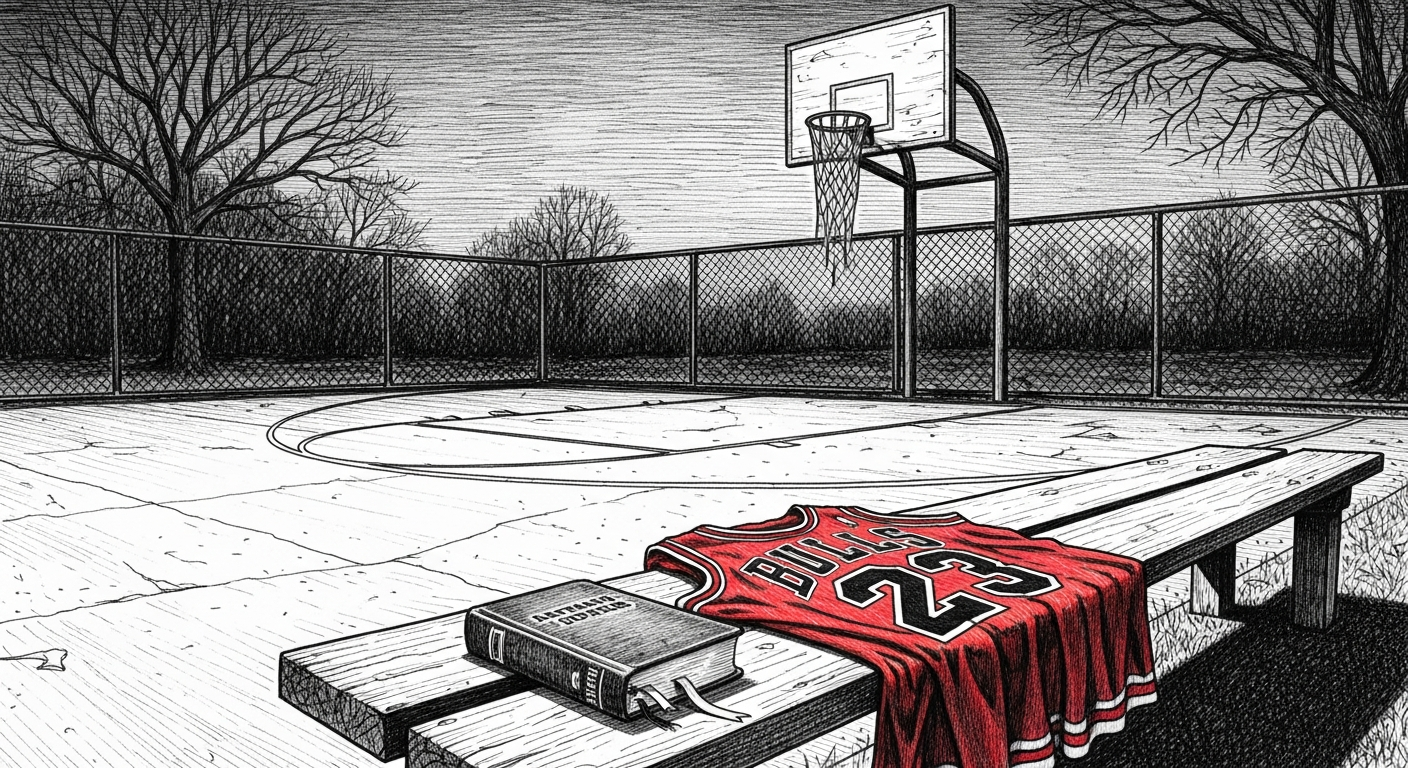
The Chicago Bulls have waived guard Jaden Ivey, attributing the decision to "conduct detrimental to the team," following his critical remarks about the NBA's Pride Month initiatives and other players' lack of spiritual commitment. This decision spotlights the ongoing tension between personal religious expressions and professional sports standards.
"They proclaim Pride Month in the NBA…to celebrate unrighteousness." — Jaden Ivey, NBA Player
Ivey's dismissal was announced after a series of social media posts where he expressed disapproval of the NBA celebrating what he termed "unrighteousness" during Pride Month, implicitly criticizing league and team policies as well as the personal beliefs of fellow athletes like Stephen Curry and LeBron James. According to team executives, including General Manager Marc Eversley and Executive Vice President Arturas Karnisovas, Ivey's social media behavior and public statements conflicted with the professional expectations set by the organization.
The situation escalated with Ivey's posts going viral, leading to a polarized response from the public and the media. Supporters claim Ivey is being persecuted for his Christian beliefs, while critics argue that his statements were divisive and detrimental to team cohesion.
This incident raises questions about the balance between an individual’s freedom of speech and the operational standards of professional organizations. The Bulls emphasized that the decision was strictly professional, focusing on preserving a respectful and inclusive team environment.
Jaden Ivey, in response to his release, defended his actions as expressions of his faith, not intended to disrupt team activities. He articulated that his primary intention was to stay true to his religious convictions, which he felt were being suppressed.
The broader implications of this case reflect on the NBA and other sports leagues that are increasingly promoting social causes, including LGBT rights. This incident has reignited debates about the extent to which organizations can or should regulate the personal expressions of their athletes, especially when those expressions are rooted in deeply held religious beliefs.
As Ivey transitions to potentially becoming a restricted free agent, the discussion continues about the intersections of faith, free speech, and professional responsibility in high-profile careers.

