

⚡ BREAKING NEWS
Sponsor Advertisement
DOJ Sues Idaho Over Voter Records Access Dispute
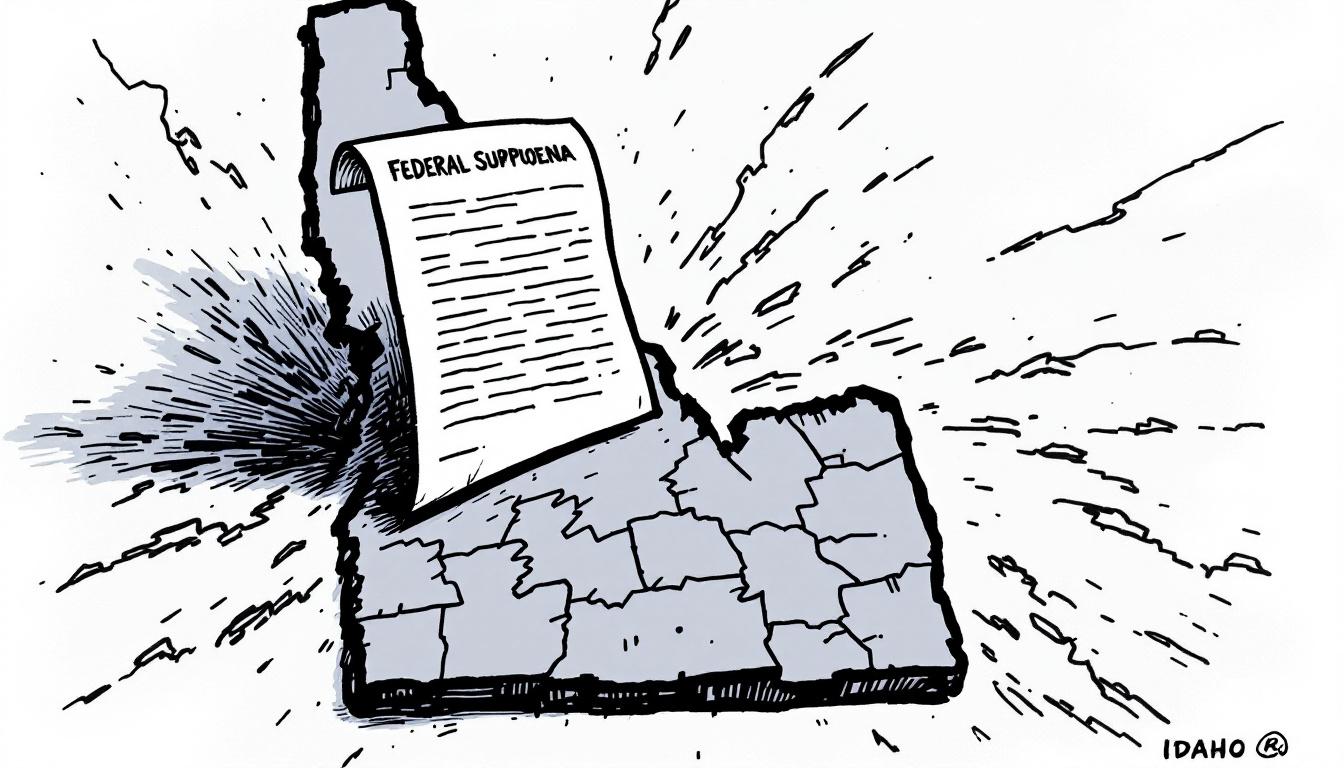
AI-generated image for: DOJ Sues Idaho Over Voter Records Access Dispute

DOJ Sues Idaho Over Voter Records Access Dispute

The Department of Justice has sued Idaho for refusing to provide a complete, unredacted voter registration list despite federal requests. This action is part of a broader federal effort to enforce election oversight across multiple states.

The Department of Justice (DOJ) filed a lawsuit against Idaho on April 1, 2026, for allegedly refusing to provide a complete, unredacted voter registration list, despite repeated federal requests. This legal action, filed in the U.S. District Court for the District of Idaho, targets Secretary of State Phil McGrane, marking Idaho as one of more than 30 states and the District of Columbia now facing federal legal action over noncompliance with election oversight requirements.

"While some election officials resist providing requested data, our role is to verify that all states meet their legal obligations." — Harmeet K. Dhillon, Assistant Attorney General, Civil Rights Division

Federal authorities initially requested comprehensive voter data in September 2025. This data was specified to include voter identifiers such as dates of birth, addresses, and partial Social Security numbers. The DOJ stated that the purpose of these requests was to ensure adherence to federal statutes, including the Help America Vote Act and the Civil Rights Act of 1960. Assistant Attorney General Harmeet K. Dhillon, who leads the DOJ’s Civil Rights Division, underscored the department’s commitment to its role in ensuring transparency and accuracy in elections. "While some election officials resist providing requested data, our role is to verify that all states meet their legal obligations," Dhillon stated, emphasizing the federal government’s commitment to enforcing compliance nationwide.

Secretary McGrane had initially indicated a willingness to comply with the federal requests. However, Idaho reversed its position in February 2026, citing privacy concerns and questioning the state’s legal obligation to provide the records. In a public statement, McGrane asserted, "Idaho law carefully regulates disclosure of voter information. Without a clear legal requirement to provide the full list, and with my duty to protect citizens’ data, we will not submit the requested records." This stance highlights a growing tension between federal demands for election data and states' efforts to protect citizen privacy under their own statutes.

The lawsuit seeks a court declaration that Idaho has violated federal law by withholding the requested information. Additionally, federal attorneys are seeking an order compelling the production of the complete voter database and a compliance deadline of five days following any favorable ruling. This case is part of a broader, nationwide effort by the DOJ to enforce federal election oversight across a diverse mix of states, including Arizona, California, Utah, Oklahoma, and West Virginia. This initiative aims to establish uniform standards for election administration and data accessibility across the country.

Idaho officials have defended their existing voter roll maintenance efforts. They cited the state’s "Only Citizens Can Vote Act" and their ongoing collaboration with the Department of Homeland Security as evidence of their commitment to secure elections. McGrane’s office reported that their efforts had identified 11 non-citizens among more than one million registered voters, all of whom were subsequently referred to federal authorities for investigation. McGrane also encouraged public engagement, stating, "Our county clerks and office are committed to secure elections. Citizens can visit VoteIdaho.gov to review and update their registration, ensuring confidence in the process."

The dispute underscores an ongoing philosophical and legal tension between federal oversight and state authority in election administration. Critics of federal intervention argue that states should maintain primary control over voter registration and the integrity of their electoral processes, emphasizing states' rights and local governance. Conversely, proponents of federal enforcement contend that uniform oversight is critical to prevent irregularities, protect the integrity of federal elections, and ensure equal access to voting rights across all states.

With Idaho now added to the growing list of states under federal scrutiny, this case is poised to become a high-profile test of federal authority over state election administration. Officials have not indicated whether they will comply immediately with the DOJ’s demands, leaving the case open to a potentially significant legal and political showdown in the coming months. The outcome could have far-reaching implications for how voter data is managed and shared between state and federal entities nationwide.

Advertisement

The Flipside: Different Perspectives

Progressive View

The Department of Justice's lawsuit against Idaho is a necessary step to ensure transparency, accountability, and the integrity of federal elections across the nation. Progressives emphasize that robust federal oversight is crucial to uphold the foundational principles of democracy and protect voting rights for all eligible citizens. Refusing to provide comprehensive voter data impedes the federal government's ability to verify compliance with critical laws like the Help America Vote Act and the Civil Rights Act of 1960, which are designed to prevent irregularities and ensure equitable access to the ballot box.

While privacy concerns are valid, they must be balanced against the collective well-being that comes from secure and trustworthy elections. The federal government has a legitimate interest in ensuring that voter rolls are accurate and maintained properly, especially in an era where election integrity is frequently questioned. Without full access to data, it becomes difficult to identify systemic issues, address potential voter suppression, or ensure that all states are adhering to uniform standards that protect the rights of every voter. This action is not about federal overreach, but about the federal government fulfilling its constitutional duty to safeguard the democratic process and ensure that all states contribute to a fair and just electoral system, fostering public trust in election outcomes.

Conservative View

The lawsuit against Idaho exemplifies a concerning pattern of federal overreach into matters traditionally governed by states. Conservatives argue that election administration, including the maintenance of voter rolls and the protection of voter data, falls squarely within the purview of state sovereignty. Idaho Secretary of State Phil McGrane's decision to withhold the complete, unredacted voter list reflects a responsible commitment to protecting citizens' privacy, as dictated by Idaho state law. The demand for sensitive information like partial Social Security numbers and dates of birth, without a clear, compelling federal mandate that respects state data protection statutes, raises significant concerns about individual liberty and the potential for misuse of centralized data.

Furthermore, Idaho's proactive measures, such as the "Only Citizens Can Vote Act" and collaboration with the Department of Homeland Security, demonstrate the state's capability and dedication to securing its elections. The identification of non-citizens on voter rolls by state officials highlights effective local governance, rendering broad federal intervention unnecessary and potentially counterproductive. Conservatives believe that a limited federal government should respect the autonomy of states to manage their own affairs, particularly when states are already upholding election integrity through their own legislative and administrative efforts. This lawsuit is seen as an attempt to erode state authority and impose a one-size-fits-all federal solution where local control and privacy protections are paramount.

Common Ground

Despite the legal and political tensions, both conservative and progressive viewpoints converge on the fundamental importance of secure, accurate, and trustworthy elections. All stakeholders agree that public confidence in election outcomes is paramount for a functioning democracy. Both sides also acknowledge the need to prevent voter fraud and ensure that only eligible citizens cast ballots. Idaho's efforts to maintain clean voter rolls and identify non-citizens, as well as the DOJ's goal of ensuring compliance with federal election laws, stem from a shared desire for legitimate electoral processes.

Moving forward, common ground can be found in developing clear, mutually agreed-upon protocols for data sharing that balance federal oversight with state privacy concerns. This could involve exploring secure data transfer mechanisms, anonymized data sets for specific verification purposes, or establishing a framework where states can demonstrate their compliance through audits rather than full, unredacted data submission. Collaborative discussions could lead to solutions that respect state authority over election administration while still providing the necessary assurances to the federal government that national voting rights and election integrity standards are being met. The shared objective is to strengthen the electoral system, ensuring it is both secure and accessible, thereby enhancing public trust across the political spectrum.