


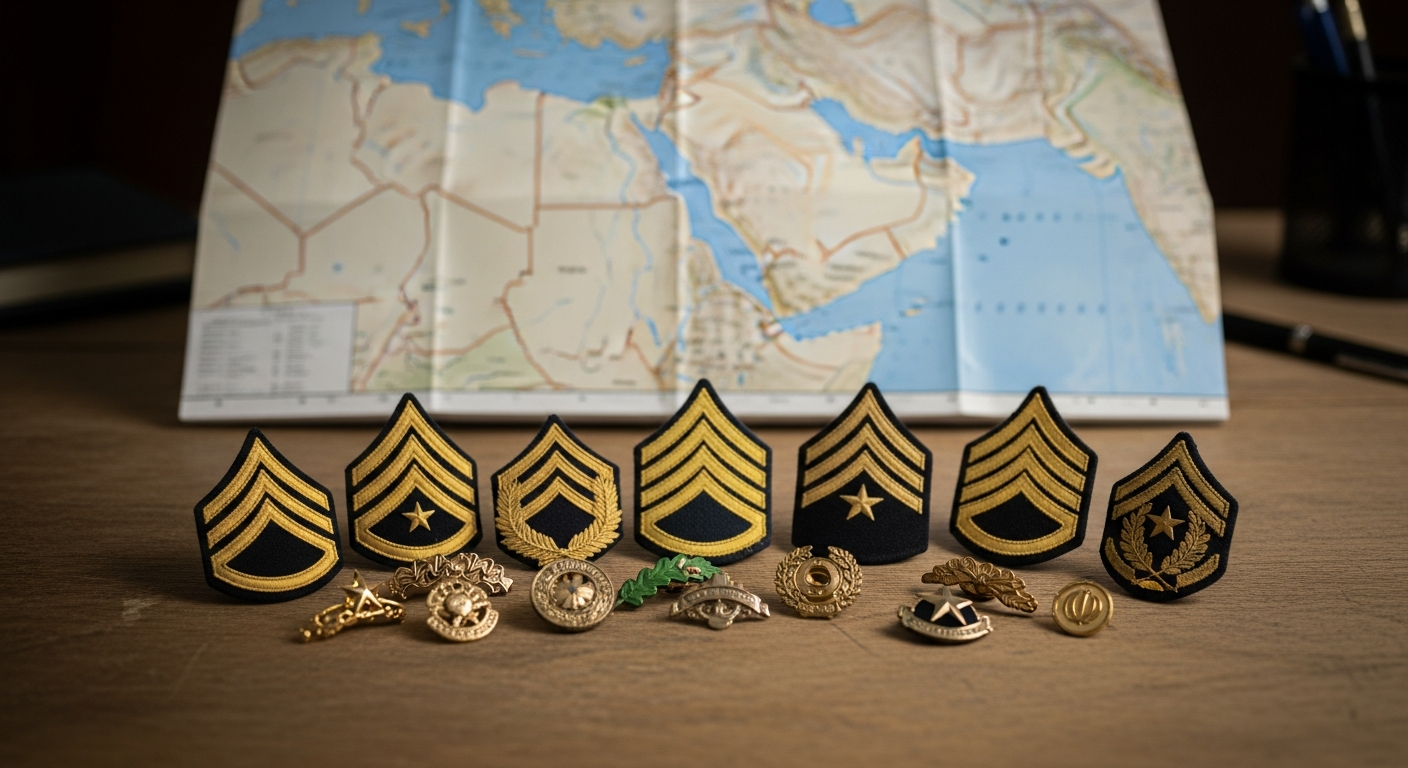
Secretary of War Pete Hegseth has initiated a significant reorganization within the Pentagon, directing several senior Army officers to step down immediately. The move, confirmed by the Pentagon, includes the departure of Gen. Randy George, the Army’s chief of staff; Gen. David Hodne, head of the Training and Doctrine Command; and Maj. Gen. William Green, the Army’s chief of chaplains. These leadership changes coincide with heightened U.S. military operations in the Middle East, prompting concerns among observers about potential impacts on ongoing missions, institutional knowledge, and overall morale within the Army.
"We write to urge the US Congress to hold Mr. Trump to account for these reckless actions and to exercise fully its Constitutional oversight responsibilities." — Five former defense secretaries.
The reorganization is one of the most significant senior-level adjustments in recent Pentagon history, occurring at a sensitive time for U.S. forces abroad. Lt. Gen. Christopher LaNeve, recently confirmed as vice chief of staff and formerly Hegseth’s military aide, is expected to serve as acting chief. Speculation suggests LaNeve could be named permanently, with his close working relationship with Secretary Hegseth potentially influencing the Pentagon’s future strategic priorities.
Gen. Randy George's career spanned more than four decades, beginning with his graduation from West Point in 1988. He served with the 101st Airborne Division during Desert Shield and Desert Storm and later deployed to Iraq and Afghanistan, accumulating extensive experience in Army operations, policy planning, and interagency coordination. Before his role as chief of staff, George also held posts as vice chief of staff and as senior military aide to a former defense secretary. During his tenure as chief, he spearheaded modernization programs, accelerated weapons development, and addressed persistent recruiting challenges. His initiatives included restructuring efforts aimed at preparing the Army for large-scale conflicts and near-peer threats, alongside modernizing training and operational commands to ensure readiness for complex environments, including high-intensity operations and cyber-contested theaters.
Officials cited tensions within the Pentagon, particularly between Gen. George and Army Secretary Daniel Driscoll, as a possible factor contributing to the timing of these retirements. The changes are unfolding as U.S. forces, including elements of the 82nd Airborne Division, are deployed to the Middle East amid operations specifically targeting Iran. Analysts have cautioned that leadership transitions during active military operations are extremely rare and could affect mission planning, coordination with allied forces, and overall operational effectiveness.
Last year, a group of five former defense secretaries issued a warning to Congress, urging oversight over senior military leadership. They expressed concern over a series of high-level firings since President Trump’s second term, cautioning that abrupt personnel changes could politicize leadership at the top of the Army. "We write to urge the US Congress to hold Mr. Trump to account for these reckless actions and to exercise fully its Constitutional oversight responsibilities," they wrote, emphasizing the need for nonpartisan guidance and stability at the highest levels of the Army.
Conversely, supporters of the current administration contend that these retirements are necessary to align Army leadership with the administration's priorities and maintain operational focus during a critical period. They view the moves as an illustration of Secretary Hegseth’s ongoing effort to assert civilian authority over senior military officials, particularly as U.S. forces contend with heightened threats abroad. Advocates also highlight that leadership refreshes can inject new perspectives and improve efficiency in adapting to emerging challenges and ensuring the military remains agile.
These changes are not isolated, but rather come amid other significant moves within the President Trump administration, including the recent firing of former Attorney General Pam Bondi and broader shifts in senior leadership across various departments. This pattern signals a concerted effort by the administration to assert control over key strategic roles and align leadership with its overarching policy agenda. Lt. Gen. LaNeve’s temporary promotion, given his prior role as Hegseth’s military aide, is seen as a measure to ensure continuity of command as the Army navigates an increasingly complex operational environment. The departures of George, Hodne, and Green underscore the secretary’s intention to reshape the Army’s leadership structure amid strategic and political pressures, signaling a broader effort to align senior military roles with current defense priorities.

