


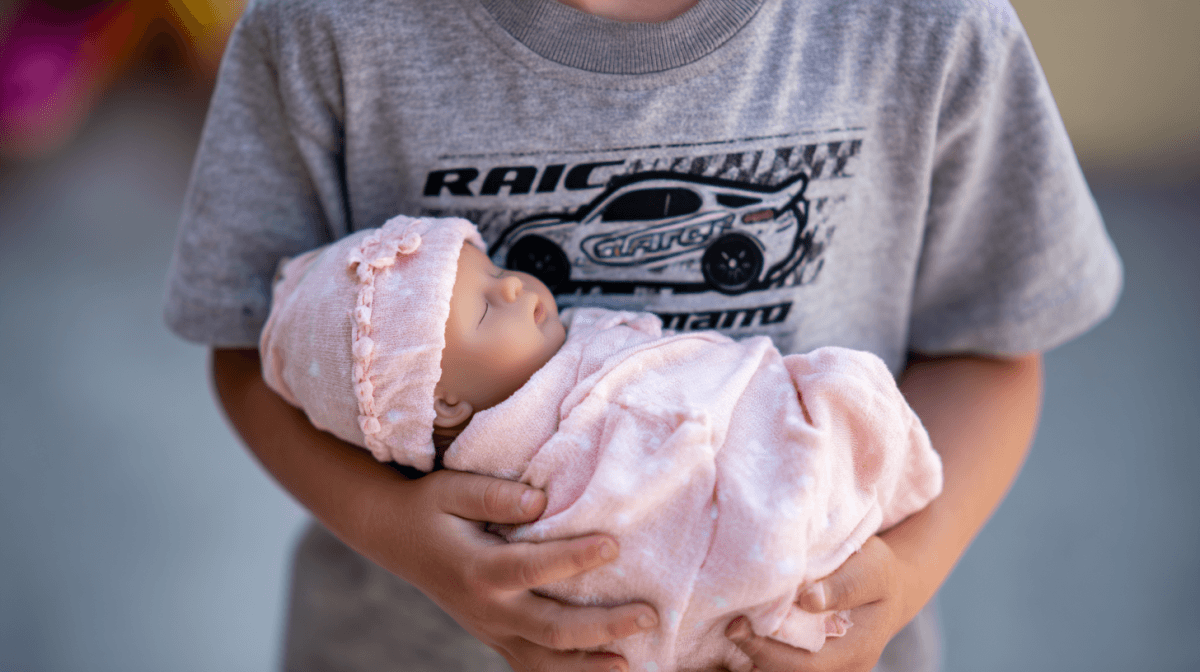
Jennifer Siebel Newsom, the wife of California Governor Gavin Newsom, has recently drawn significant public attention and criticism regarding her distinctive parenting philosophy. Her approach, which includes providing dolls to her sons to cultivate nurturing skills and deliberately altering the genders of characters in children's books, has ignited a national conversation about contemporary parenting, gender roles, and the perceived influence of ideology in child-rearing practices.
"I’ve given our boys dolls, even if they tear the head off. I’ve given them dolls to learn that care and caregiving is not just an activity that’s reserved for women but that it’s also an activity that is a responsibility of men." — Jennifer Siebel Newsom, Wife of California Governor Gavin Newsom
In a recent interview, Newsom publicly discussed her methods, explaining her rationale behind these unconventional choices. She stated, "I’ve given our boys dolls, even if they tear the head off. I’ve given them dolls to learn that care and caregiving is not just an activity that’s reserved for women but that it’s also an activity that is a responsibility of men." This practice, she contends, is intended to broaden her sons' understanding of responsibilities traditionally associated with women, encouraging them to view caregiving as a universal human trait rather than a gender-specific role.
Beyond the use of dolls, Newsom also detailed her practice of modifying the genders of protagonists in books she reads to her children. "I want them to see that women can be the center of the story," she explained, according to Breitbart. "That women matter. Women are interesting." This adaptation of narratives aims to enhance her children's perception of female agency and importance in storytelling, promoting a more equitable representation of genders from an early age.
The revelations have elicited strong reactions across social media platforms, particularly from conservative commentators. Vince Langman described Newsom's approach as "gender obsessed," suggesting an excessive focus on gender identity. Paul A. Szypula, commenting on X, expressed alarm, stating, "It’s terrifying to consider this woman could be our next First Lady," alluding to Governor Newsom's potential future political aspirations. Bethany O’Leary also weighed in on X, tweeting, "These people are deeply sick!!" The Rubin Report, a conservative media outlet, questioned the intensity of her views, asking, "How is she crazier than Gavin?!" These responses underscore a segment of the public's concern that Newsom's methods venture into what they perceive as ideological overreach in child development.
Conversely, proponents of Newsom's parenting style advocate for its potential benefits. They argue that exposing children to a broader spectrum of caregiving responsibilities and progressive lessons fosters crucial qualities such as empathy, critical thinking, and inclusivity. Supporters view these methods as a proactive way to challenge outdated societal norms and prepare children for a more diverse and equitable world. They believe that breaking down traditional gender stereotypes at a young age can lead to more well-rounded and understanding individuals.
However, detractors maintain that giving dolls to boys and rewriting storybook genders constitutes an unnecessary imposition of ideology on children, potentially confusing them during critical stages of childhood development. They raise concerns about the long-term consequences these practices might have on children's understanding of social and familial norms, particularly for those aged 10 to 15, who are in formative stages of cognitive and social development. Critics suggest that while empathy and inclusivity are important, the methods employed by Newsom may cross a line into ideological indoctrination rather than mere education.
This controversy is not isolated, emerging amid a series of incidents that have intensified public scrutiny of Jennifer Siebel Newsom. In a 2022 interview, she criticized conservatives, stating, "They’re living in this silo, this evangelical, conservative silo that, ultimately, is just pulling us back as a country to a time and a place where we don’t deserve to be, and we’re not going to be." This public political stance has led some to view her parenting methods through a political lens. Additionally, reports have surfaced regarding alleged questionable expenditures by Newsom’s nonprofit organization, raising questions about transparency and the use of charitable funds. These combined controversies contribute to a broader public discussion about whether her parenting style, alongside her political and financial activities, reflects genuine educational intentions or a wider progressive and ideological agenda.
As public scrutiny continues to grow, the focus on Jennifer Siebel Newsom’s household highlights a fundamental tension in modern society: the balance between contemporary approaches to gender education and more traditional expectations of childhood development. Her practices involving dolls and storybooks have become a central point of evaluation in determining whether progressive parenting methods genuinely encourage empathy and inclusivity or, as critics contend, cross into ideological indoctrination. This ongoing debate reflects deep-seated differences in societal values and educational philosophies concerning the upbringing of children in an evolving world.

