

⚡ BREAKING NEWS
Sponsor Advertisement
Trump Lifts Russian Oil Sanctions Amid Iran War Gas Price Surge
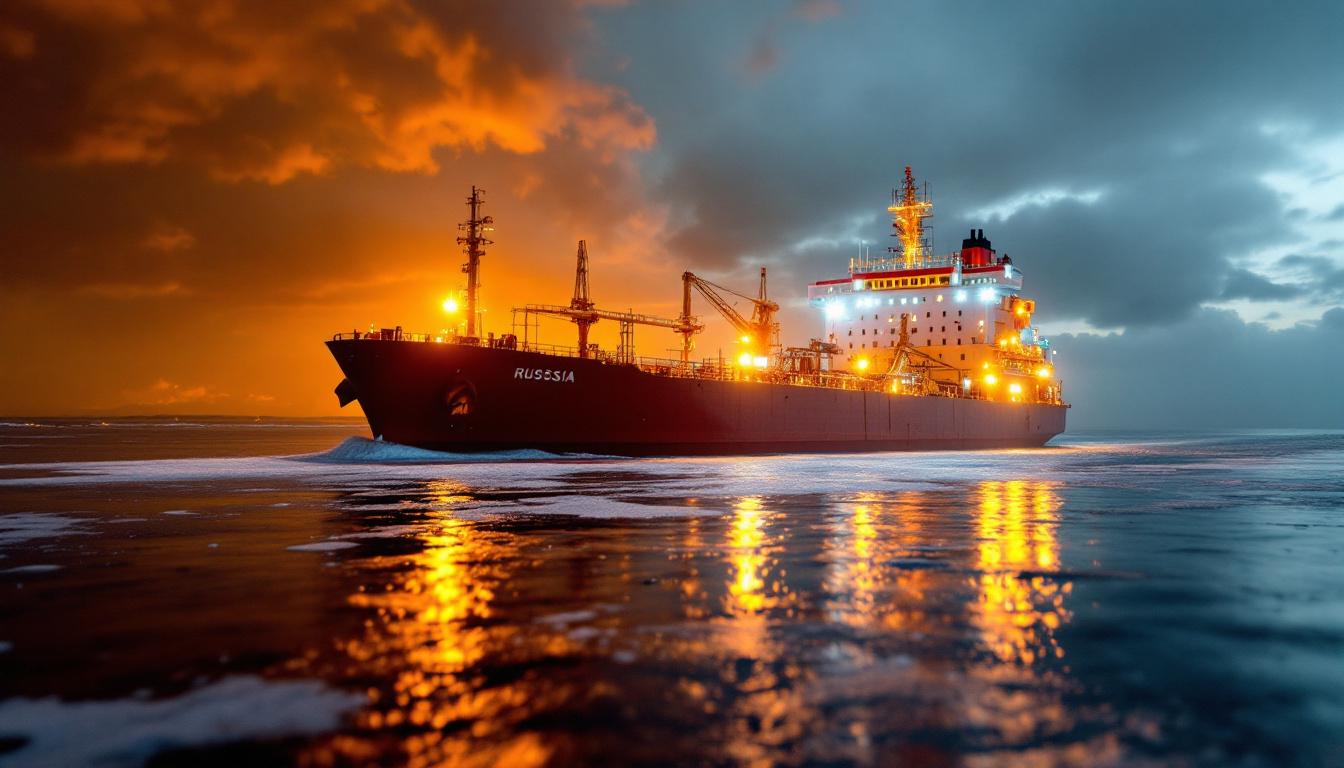
AI Generated: Russian oil tanker

Trump Lifts Russian Oil Sanctions Amid Iran War Gas Price Surge

President Donald Trump's administration temporarily lifted sanctions on Russian oil to combat rising U.S. gas prices fueled by the Iran war. The move, intended to stabilize global energy markets, faces criticism for potentially aiding Russia amid the Ukraine conflict.

The administration of President Donald Trump has temporarily lifted sanctions on Russian crude oil and petroleum products, a move intended to alleviate surging energy prices in the United States amidst an ongoing conflict with Iran. The decision, announced by the Treasury Department on Thursday night, March 12, 2026, through a temporary waiver set to expire on April 11, has drawn immediate and sharp criticism from various quarters.

"That’s not a Strait we’re going to allow to remain contested with a lack of flow of commercial goods." — Defense Secretary Pete Hegseth

Treasury Secretary Scott Bessent characterized the measure as a "short-term measure" aimed at supporting "stability in global energy markets." However, critics have swiftly accused the administration of inadvertently bolstering Russia's economy at a time when Ukraine continues to fight for its sovereignty, four years after Russia's invasion.

The waiver comes as American consumers face escalating costs at the pump. Reports indicate that the national average price for gasoline has climbed by approximately 70 cents over the past month, coinciding with the Iran war entering its third week. Oil prices have mirrored this upward trend, with crude reaching $100 per barrel on Friday morning after a 9% rise, following a substantial 27.9% increase the previous week—the largest jump observed since the COVID-19 pandemic.

The primary driver behind this market volatility is the escalating tension around the Strait of Hormuz, a critical global shipping lane. Iran and its proxies have been accused of disrupting tanker traffic through this waterway, thereby constricting global oil supplies and unsettling energy markets worldwide. This situation has created a significant political challenge for the White House. President Trump and his team have publicly acknowledged that the conflict would initially lead to higher gas prices but have consistently maintained that costs would eventually stabilize once the hostilities conclude.

However, market signals suggest otherwise. Fluctuations in oil prices have become highly sensitive to developments in the Strait of Hormuz; reports of the U.S. Navy potentially escorting commercial ships have caused prices to dip, while any new signs of escalation have sent them climbing again. Even a now-deleted social media post from Energy Secretary Chris Wright, which falsely claimed the Navy had escorted a ship, briefly impacted market sentiment before the White House clarified it as a staffer's error.

Defense Secretary Pete Hegseth addressed the ongoing disruptions on Friday, stating, "That’s not a Strait we’re going to allow to remain contested with a lack of flow of commercial goods." He also confirmed that Iranian forces continue to fire upon ships attempting to traverse the vital waterway.

The temporary lifting of sanctions on Russian oil has not placated critics. Social media users expressed strong disapproval, with comments such as, "Russia’s sanctions lifted, sounds like a betrayal to the Ukrainian cause," and "What a disgrace. Trump has removed sanctions on Russia’s oil. I am truly sorry to the Ukrainian people." Another user questioned the ethical implications, asking, "How many Ukrainians die for this?"

The backlash extended beyond social media. A minister in the United Kingdom reportedly rejected the U.S. decision, stating that Britain would not follow suit in easing its sanctions on Russian oil. New York Times reporter Maggie Haberman, speaking on CNN, voiced concerns about the administration's preparedness for a prolonged conflict. "It’s been very clear in everything the President has said, and he said this publicly, he thought this was going to be over by now," Haberman remarked, adding, "There clearly is not a plan to deal with this," suggesting the administration was unprepared for extended disruptions in global oil markets.

In contrast, the Kremlin has welcomed President Trump's decision. Russia is estimated to have approximately 100 million barrels of oil already in transit that will now be exempt from U.S. sanctions under the temporary waiver, potentially providing a significant economic boost to Moscow. This development means President Donald Trump is attempting to alleviate domestic gas prices by allowing more Russian oil into the market, even as the conflict with Iran continues to incur increasing costs and political repercussions. The political blowback is evident and shows no signs of dissipating soon.

Advertisement

The Flipside: Different Perspectives

Progressive View

From a progressive viewpoint, President Donald Trump's decision to temporarily lift sanctions on Russian oil represents a concerning compromise of international solidarity and ethical principles for short-term economic relief. This move undermines the collective global effort to hold Russia accountable for its illegal invasion of Ukraine and sends a mixed signal to both allies and adversaries. Prioritizing domestic gas prices by potentially bolstering Russia's war economy, even temporarily, questions the administration's commitment to human rights and democratic values abroad.

Progressives emphasize the interconnectedness of global issues and the importance of systemic solutions. While acknowledging the burden of rising gas prices on American families, particularly those with lower incomes, the solution should not come at the expense of geopolitical integrity or by enabling authoritarian regimes. This decision highlights a deeper systemic vulnerability: the U.S.'s continued reliance on fossil fuels, which makes the nation susceptible to global energy market volatility and geopolitical pressures. A truly progressive approach would accelerate the transition to renewable energy sources, thereby reducing dependence on foreign oil and insulating the economy from such crises, rather than resorting to measures that could weaken international alliances and embolden aggressors. The collective well-being of the international community should not be sacrificed for fleeting domestic political gains.

Conservative View

From a conservative perspective, President Donald Trump's decision to temporarily lift sanctions on Russian oil can be viewed as a pragmatic and necessary step to protect American consumers and the broader U.S. economy. The core tenet of limited government and free markets dictates that the primary responsibility of a government is to ensure the well-being and economic stability of its citizens. With gas prices surging due to the Iran war and disruptions in a critical global shipping lane, the administration is facing an immediate crisis that directly impacts household budgets and the cost of doing business. This waiver, described as a "short-term measure," prioritizes economic stability and aims to mitigate the inflationary pressures threatening American livelihoods.

Conservatives often advocate for policies that secure national interests, and in this context, ensuring affordable energy is paramount. While supporting Ukraine against Russian aggression remains a foreign policy objective, the immediate domestic economic fallout from the Iran war necessitates a strategic response. This temporary waiver can be seen as a tactical adjustment, not a permanent shift in policy, designed to bridge a gap until the energy markets stabilize or the Iran conflict de-escalates. It underscores a commitment to prioritizing the economic health of the nation, allowing market forces to alleviate price pressures by increasing supply, even if from an undesirable source, as a temporary measure to safeguard American prosperity and energy security.

Common Ground

Despite differing perspectives on President Donald Trump's decision, both conservative and progressive viewpoints share common ground regarding the underlying challenges. There is a bipartisan consensus on the importance of stable energy markets and the need for affordable energy to support American households and businesses. The impact of geopolitical instability, such as the conflict in Iran and disruptions in critical shipping lanes like the Strait of Hormuz, is a shared concern for its potential to harm global trade and security. Both sides also agree on the desirability of de-escalating international conflicts and protecting vital global supply chains.

Looking forward, there is a mutual interest in developing long-term energy strategies that reduce the United States' vulnerability to external shocks and price volatility. Discussions around energy independence, diversification of supply, and the role of various energy sources can find common ground, even if the preferred methods differ. Ultimately, both conservatives and progressives can agree on the necessity of diplomatic solutions to international disputes and the need for policies that balance domestic economic well-being with broader foreign policy objectives, aiming to avoid situations where such difficult trade-offs become necessary.