

⚡ BREAKING NEWS
Sponsor Advertisement
GOP Flips Key Virginia Seat Amid Democratic Divide

GOP Flips Key Virginia Seat Amid Democratic Divide

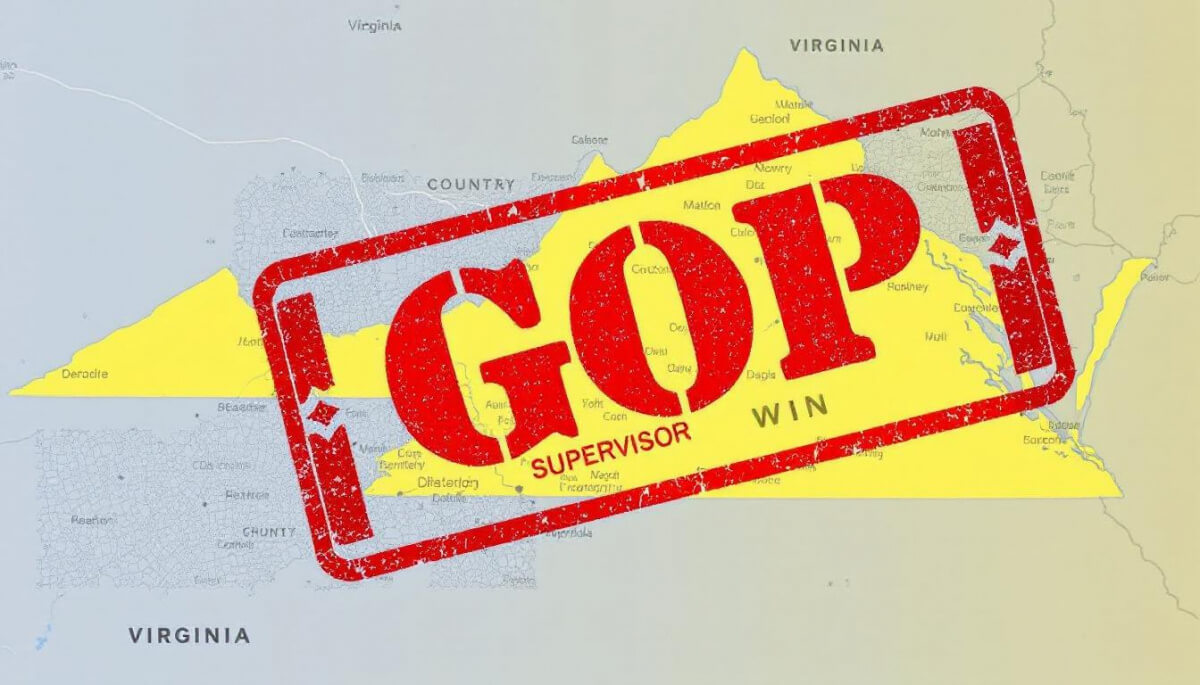
Republicans achieved a notable upset in Virginia's Woodbridge District special election, with Jeannie LaCroix winning a seat held by Democrats for decades. The outcome was influenced by Democratic infighting and a strong write-in campaign.

Republicans secured a significant victory in Virginia's Prince William County on March 11, 2026, as Jeannie LaCroix won the special election for the Woodbridge District seat on the Board of County Supervisors. This win marks a notable shift, as the seat had been under Democratic control for decades, and represents a significant pickup for the Republican Party in local governance.

The special election was necessitated by the resignation of former Supervisor Margaret Franklin, who vacated the Woodbridge District seat in January 2026 after winning a special election for Virginia House District 23. LaCroix, a local businesswoman and longtime Woodbridge resident, campaigned on a platform centered on community safety, improving local schools, fostering economic opportunity, and opposing the placement of data centers near residential areas and educational institutions.

LaCroix garnered 1,694 votes, accounting for 43.73% of the total. Her Democratic opponent, Muhammad Sufiyan “Sef” Casim, received 1,436 votes, or 37.07%. A substantial number of write-in candidates collectively secured 744 votes, representing 19.20% of the ballots cast. This high write-in count emerged as a critical factor in the election's outcome, particularly impacting the Democratic vote share.

The Democratic Party in Prince William County faced considerable internal challenges leading up to the election. A primary issue for Casim’s campaign stemmed from resurfaced social media posts that critics deemed offensive. The controversy prompted several prominent Democrats to publicly call for Casim to withdraw from the race. Despite his apology, multiple state and local Democratic figures reportedly stated it was insufficient. However, the Prince William County Democratic Committee ultimately maintained its endorsement of Casim, a decision that reportedly exacerbated divisions within the local party.

Further complicating the situation for Democrats was the late entry of Pamela Montgomery as a write-in candidate on March 3. Montgomery was not an unknown figure; she had narrowly lost the February caucus to Casim by just 33 votes. Her decision to launch a write-in campaign was reportedly driven by her belief that Casim’s response to the social media controversy was inadequate. Montgomery also raised questions regarding Casim's residency and his ties to the Woodbridge District. Casim had previously run for Virginia’s House District 23 seat in December 2025. Following his loss in that primary, he relocated to Woodbridge before seeking the county supervisor position. While his move was legal under Virginia law, critics leveraged it as a campaign issue, suggesting he had moved into the district primarily to run for office.

The combined effect of Casim's campaign controversies, the internal party divisions, and the strong write-in challenge from Montgomery appears to have fractured the Democratic vote. The 258-vote margin separating LaCroix from Casim, contrasted with the 744 votes cast for write-in candidates, suggests that the split in the Democratic base played a decisive role in LaCroix's victory.

LaCroix is now set to serve the remainder of the term through December 2027. Her victory signifies not only a Republican gain in a traditionally Democratic stronghold but also underscores the potential impact of local candidate controversies and party unity on election outcomes. The Virginia Republican Party acknowledged LaCroix's win, stating, "Congratulations to Jeannie LaCroix on her victory in the Prince William County Board of Supervisors race! Jeannie will be a voice for common sense for the people of Prince William County." The outcome highlights the complexities of local elections, where candidate specifics and internal party dynamics can significantly influence results.

Advertisement

The Flipside: Different Perspectives

Progressive View

The loss of the Woodbridge District seat for Democrats in Prince William County represents a significant setback and a cautionary tale about the critical importance of candidate vetting, party unity, and accountability. While the outcome is disappointing, it highlights systemic issues that progressives must address to effectively serve their communities. The controversy surrounding the Democratic candidate's social media posts and his perceived lack of deep community ties clearly eroded public trust and created an insurmountable hurdle.

This election underscores the progressive commitment to social justice and equity, which demands that candidates uphold high ethical standards and demonstrate genuine respect for all community members. When a candidate's past actions or statements cause offense, an apology alone may not be sufficient; true accountability and a clear commitment to progressive values are essential. Furthermore, the internal party divisions and the emergence of a strong write-in campaign signal a failure to adequately address constituent concerns and build consensus within the party. Progressives believe in collective well-being, and internal strife can severely undermine the ability to advance policies that benefit the entire community. This outcome necessitates a critical self-assessment within the local Democratic Party to ensure future candidates truly embody the values of the community and that internal processes foster unity and effective engagement rather than division.

Conservative View

The victory of Jeannie LaCroix in Virginia's Woodbridge District exemplifies a clear rejection of progressive overreach and a return to common-sense governance at the local level. Voters in Prince William County demonstrated a preference for candidates deeply rooted in their communities, prioritizing local concerns like safer communities, better schools, and economic opportunity over national political agendas. The Democratic candidate's controversies, including offensive social media posts and questions regarding his residency, exposed a disconnect between the party establishment and the values of the electorate.

This outcome underscores the conservative principle that individual character and local ties are paramount for public servants. Voters are increasingly wary of candidates perceived as "carpetbaggers" or those whose personal conduct undermines public trust. The substantial write-in vote suggests a strong desire for authentic representation, even if it means bucking the party line. This election serves as a potent reminder that when one party becomes too consumed by internal squabbles or fails to vet its candidates rigorously, it creates an opening for principled conservatives who are focused on practical solutions and limited government. LaCroix's focus on tangible community improvements aligns with the conservative belief that effective governance starts with addressing the immediate needs and concerns of the people, not with ideological purity tests or identity politics. It is a win for local control and genuine representation.

Common Ground

Despite the partisan nature of the Woodbridge District special election, several areas of common ground can be identified for improving local governance and community representation. Both conservative and progressive residents share a fundamental desire for effective local leadership that prioritizes the well-being of their communities. Concerns such as safer neighborhoods, quality education for children, and robust economic opportunities are universally valued, regardless of political affiliation.

The election results highlight the importance of candidates having genuine ties and a deep understanding of the communities they seek to represent. Voters, regardless of their political leanings, appreciate authenticity and a long-term commitment to local issues over transient political ambitions. Furthermore, the outcome underscores the need for political parties to rigorously vet their candidates and ensure they can uphold public trust and avoid unnecessary controversies. Transparency and accountability from candidates are crucial for building confidence across the electorate. Ultimately, the shared goal is to elect representatives who will diligently work to address local challenges, foster community cohesion, and deliver tangible improvements for all residents of Prince William County.