

⚡ BREAKING NEWS
Swalwell Faces New Allegations Over Nanny's Immigration Status Appeals Court Allows Trump Administration Access to Social Security Data US Arrests Iranian Nationals Linked to Regime Officials FBI Documents Reveal Pre-Jan. 6 Violence Warnings <p><strong>Fairside News is evolving.</strong> As we approach our one-year anniversary, we’re expanding into real-time breaking news powered by global RSS feeds, while enhancing our platform with richer visuals—now featured in nearly 80% of articles—and improved AI-driven workflows.</p> <p>What began as timely reporting has grown into a faster, more dynamic news source, with readership approaching 700,000 article views. Stay informed with clear, fact-based coverage and perspectives from both sides of the aisle.</p>
Sponsor Advertisement
FBI Documents Reveal Pre-Jan. 6 Violence Warnings
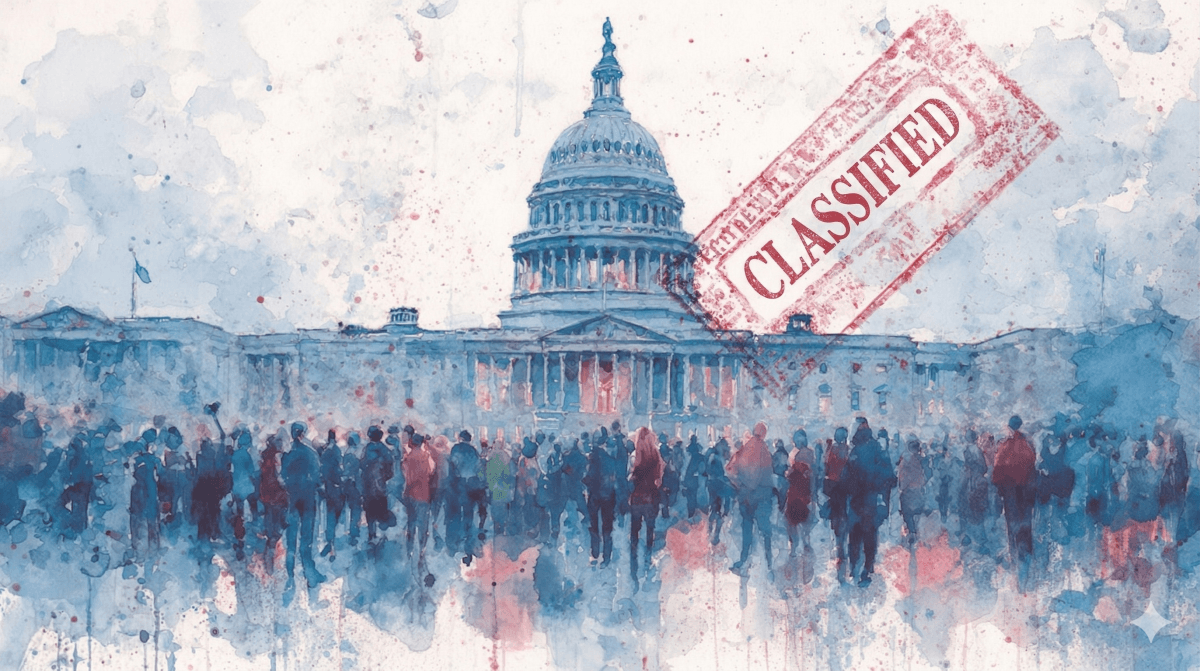
AI-generated image for: FBI Documents Reveal Pre-Jan. 6 Violence Warnings

FBI Documents Reveal Pre-Jan. 6 Violence Warnings

Newly released FBI documents indicate federal authorities anticipated potential political violence related to the 2020 election months before January 6, 2021. The revelations are prompting congressional scrutiny regarding the government's preparedness and response to the Capitol protest.

Newly disclosed FBI documents are prompting intense scrutiny in Washington, raising questions about the extent of federal authorities' intelligence regarding potential violence ahead of the January 6, 2021, Capitol protest and the subsequent operational response. The records, which were turned over to Congress by Kash Patel, a former chief of staff to the Acting United States Secretary of Defense, suggest the Federal Bureau of Investigation had anticipated potential political unrest tied to the 2020 election results several months prior to the events at the Capitol.

"The FBI assesses domestic violent extremist threats related to the 2020 elections likely will increase." — FBI Memo, Internal Assessment

According to the memos, the FBI initiated internal assessments and planning exercises as early as mid-2020. One such exercise, spearheaded by the Boston Field Office, specifically explored scenarios where unrest could escalate if the 2020 election results were disputed. The findings from these exercises were explicit, with one memo stating, "The FBI assesses domestic violent extremist threats related to the 2020 elections likely will increase." Officials expressed concerns that heightened tensions surrounding the election could evolve into broader instability, encompassing threats to political candidates, public events, and governmental institutions.

The documents also highlighted the FBI's awareness of potential foreign interference. Intelligence suggested that nations such as China, Iran, and Russia might seek to exploit a contested election environment. These foreign actors, according to the intelligence, could exacerbate unrest through online disinformation campaigns and other covert tactics designed to fuel divisions and instability within the United States.

Beyond merely identifying potential risks, the FBI outlined specific strategies aimed at countering anticipated violence. These plans included increasing the deployment of confidential human sources, embedding informants within groups considered suspect, and pursuing aggressive legal actions for minor offenses as a deterrent against further escalation. One memo clarified these measures, explaining, "These tactics were envisioned as a way to dissuade individuals from taking further steps toward violent action."

The newly surfaced disclosures add a layer of complexity to the understanding of the events of January 6. They imply that federal authorities possessed forewarning that election-related tensions could indeed culminate in violence at the U.S. Capitol. Further details within the documents shed light on the FBI's operational presence during the protest itself. The bureau acknowledged that approximately 274 plainclothes personnel were present in the crowd on January 6, alongside multiple confidential informants. While officials maintain that such deployments are standard practice for monitoring large-scale public events, the specific numbers have drawn considerable scrutiny.

This scrutiny has been amplified by earlier statements from the Department of Justice’s Inspector General. A 2024 report from the Inspector General found no evidence of undercover agents embedded within the crowd during the Capitol protest, though it did confirm the utilization of informants. The distinction between "undercover agents" and "plainclothes personnel" has since become a focal point of debate, with lawmakers and analysts seeking clarification on the roles and activities of these individuals.

Lawmakers currently reviewing the documents are questioning whether the extensive warnings were adequately acted upon. Representative Barry Loudermilk (R-GA) commented on the memos, stating they indicate the FBI possessed sufficient information to foresee the risk of an attack. "This document is evidence that the FBI predicted the possibility of an attack on the Capitol," Loudermilk asserted, arguing that stronger preventive measures should have been implemented based on the intelligence available.

The revelations are expected to intensify ongoing debates concerning the government’s overall response to January 6. Thousands of individuals have faced charges in connection with the riot, many for lower-level offenses. Critics of the government's actions have argued that the response was overly aggressive, while supporters maintain it was a necessary measure given the unprecedented scale of the breach. The recently uncovered documents introduce another dimension to this discussion, highlighting the inherent challenges federal agencies confront when attempting to balance intelligence warnings with practical operational decisions in real-time. As congressional investigations continue, these memos are anticipated to play a significant role in shaping future examinations of law enforcement actions both preceding and during January 6.

Advertisement

The Flipside: Different Perspectives

Progressive View

The release of these FBI documents confirms the serious nature of the threats facing American democracy leading up to January 6, 2021. The fact that the FBI anticipated an increase in domestic violent extremist threats related to the 2020 election highlights the urgent need for robust intelligence gathering and proactive measures to protect democratic institutions. While questions about the specific actions taken by federal authorities are valid, the underlying context is one of a clear and present danger to the peaceful transfer of power. The documents reveal a concerted effort by the FBI to identify risks, including potential foreign interference, and to devise strategies to counter violence. This underscores the necessity of a strong federal response to domestic extremism. The presence of plainclothes personnel and informants reflects a standard operational procedure for monitoring large public events to mitigate risks, not necessarily an indication of nefarious intent. Progressives would argue that the focus should remain on the individuals who incited and participated in the violence, and on ensuring that law enforcement agencies are adequately equipped and empowered to prevent future attacks on democratic processes, while always upholding civil rights.

Conservative View

The newly revealed FBI documents underscore serious concerns about transparency and accountability within federal agencies. If the FBI possessed intelligence months in advance predicting potential violence related to the 2020 election and the Capitol, it raises critical questions about why more robust, visible, and preventive actions were not taken to secure federal institutions. Conservatives emphasize individual liberty and limited government, and the idea that federal authorities had such foresight yet allowed events to unfold as they did, without apparent proactive intervention, is deeply troubling. This situation fuels arguments that government intelligence agencies may have either mishandled critical information or, worse, potentially allowed a situation to escalate for political purposes. The presence of numerous plainclothes personnel and informants also invites scrutiny regarding the extent of government surveillance on citizens, particularly at political events. Concerns about potential government overreach and the erosion of trust in institutions are paramount. There is a strong call for full transparency into the FBI's decision-making process before, during, and after Jan. 6, and for holding officials accountable for any failures to act on credible threats or for any actions that may have infringed on civil liberties.

Common Ground

Despite differing interpretations of the FBI's actions, there is common ground in the shared desire for a secure and transparent government that effectively protects public safety and democratic processes. Both conservative and progressive perspectives can agree on the importance of accurate and timely intelligence to prevent violence. There is a bipartisan interest in understanding why warnings, once identified, may not have translated into more effective preventive measures. Furthermore, both sides can unite around the principle of government accountability. Regardless of one's political stance, citizens deserve to know that federal agencies operate with integrity, that intelligence is handled responsibly, and that decisions are made based on the best available information to protect national security without infringing on civil liberties. Future efforts could focus on improving inter-agency communication, establishing clear protocols for threat assessment and response, and enhancing congressional oversight to ensure public trust in federal institutions is maintained.