


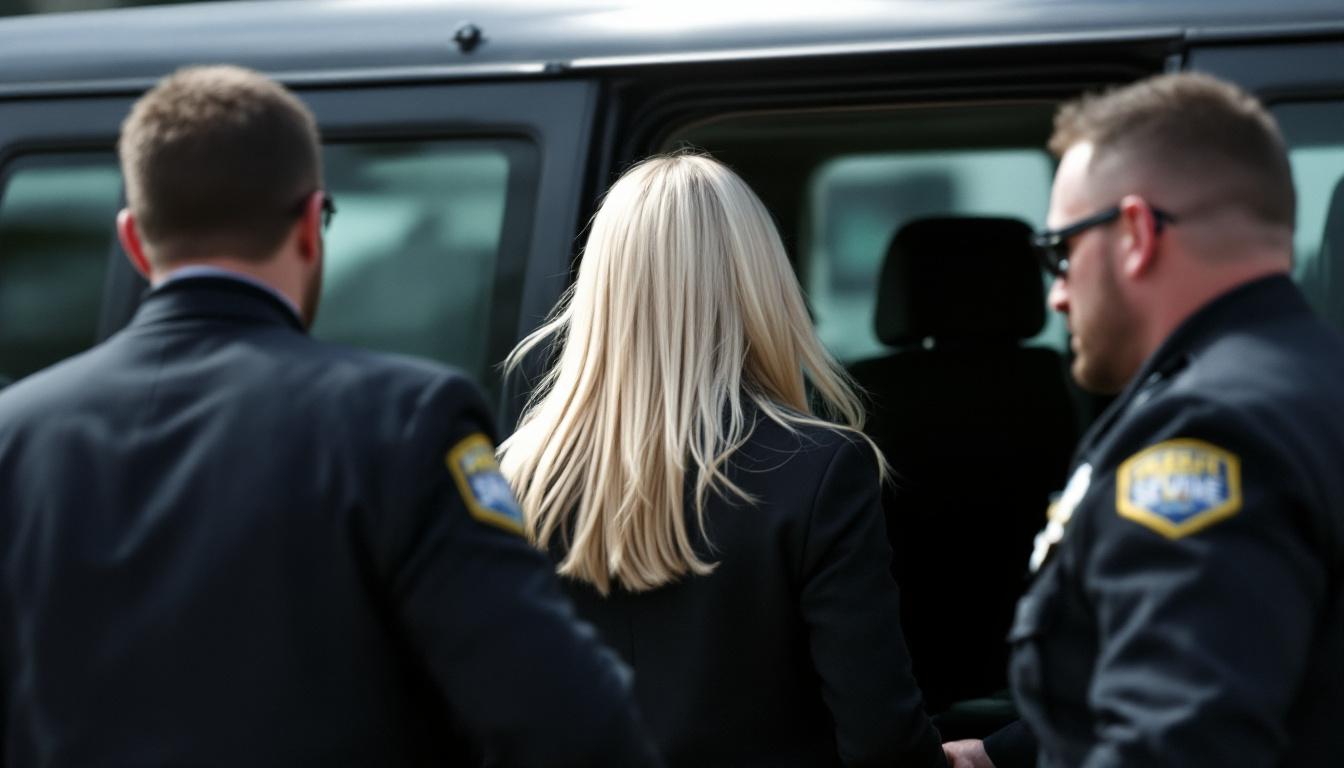
Attorney General Pam Bondi has recently been relocated to a heavily guarded military installation near Washington, D.C., after federal authorities identified credible threats against her safety. The move, which occurred within the past month, saw Bondi transferred from her Washington apartment, with law enforcement officials warning of potential dangers.
Officials familiar with the situation have reportedly raised concerns about threats linked to powerful drug cartels. Additionally, there has been significant backlash surrounding the Justice Department’s handling of documents connected to convicted sex offender Jeffrey Epstein. These two factors, combined with other developments, prompted the decision to move the nation's top law enforcement official to a more secure environment.
The specific military base where Attorney General Bondi is now staying has not been disclosed, and authorities have refrained from providing detailed information about the nature of the threats, citing security reasons. However, the decision by federal security officials to move Bondi to a military installation underscores the serious assessment of the warnings received.
According to officials knowledgeable about the situation, security concerns escalated after the Trump administration's capture of Venezuelan leader Nicolás Maduro earlier this year. A senior official with direct knowledge indicated that this development triggered additional threats specifically directed at Attorney General Bondi, adding another layer of complexity to the security assessment.
Beyond the international and criminal organization threats, Bondi has also faced scrutiny and criticism regarding the Justice Department's process for releasing Epstein-related materials. The case involving Epstein remains politically charged, and the release of associated files has drawn considerable attention from critics who have consistently demanded greater transparency and accountability from the Justice Department. This issue continues to fuel controversy in Washington, contributing to the heightened security risks.
The relocation of Attorney General Bondi is not an isolated incident within the current administration. Several other senior President Trump administration officials are reportedly also residing on military installations for security reasons. These include senior White House adviser Stephen Miller, Secretary of State Marco Rubio, Defense Secretary Pete Hegseth, and former Homeland Security Secretary Kristi Noem. Army Secretary Daniel Driscoll has also reportedly moved into military housing. Furthermore, Navy Secretary John Phelan is said to be living on a military installation after his Washington home sustained damage from a fire last year, according to reports.
Many of these residences are situated on historic military properties within the Washington metropolitan area. The financial arrangements for these accommodations remain unclear, though at least one official previously stated they were paying "fair-market rent" for their housing on a military installation.
Security arrangements of this nature are typically implemented when federal officials are deemed to be facing credible and serious threats. Military bases offer significantly more robust security infrastructure compared to private residences or standard government housing. Relocating officials to these installations enables federal law enforcement and military personnel to coordinate protection efforts more effectively, leveraging the extensive security resources available on such sites.
In Attorney General Bondi's specific case, the confluence of threats from drug cartels and the intense political backlash over the handling of sensitive documents appears to have prompted authorities to take these extraordinary precautions. Officials have not publicly commented on the anticipated duration of Bondi's stay on the military base. For the immediate future, her precise location remains confidential as federal authorities continue to monitor the evolving situation and assess potential risks. This relocation highlights the increasing security challenges faced by top administration officials amidst escalating political tensions and international conflicts.

