
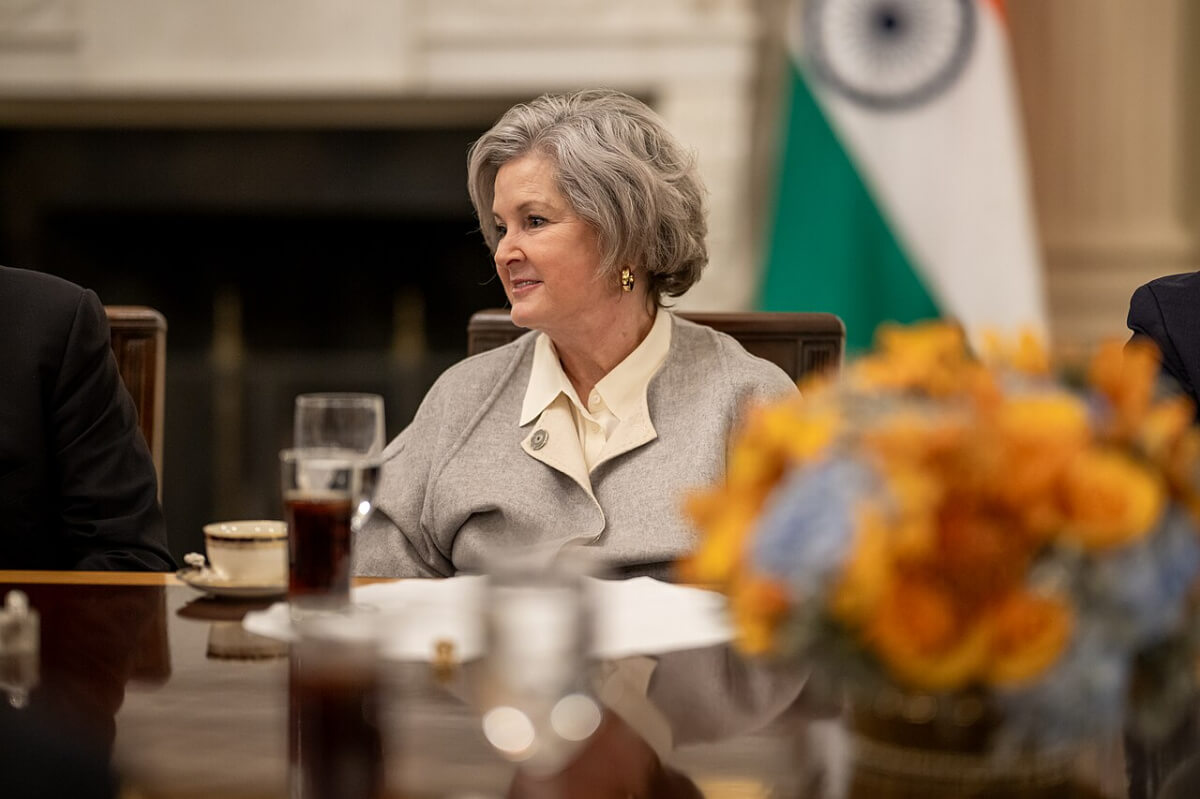
White House Chief of Staff Susie Wiles, a prominent figure in Republican political strategy and a key advisor to President Donald Trump, has been diagnosed with early-stage breast cancer. President Trump made the announcement on Monday, revealing that Wiles, 68, received the diagnosis last week following medical testing. The President conveyed that physicians detected the cancer at an early stage, leading to an optimistic outlook regarding her prognosis.
"Every day, these women continue to raise their families, go to work, and serve their communities with strength and determination. I now join their ranks." — Susie Wiles, White House Chief of Staff
According to President Trump, Wiles commenced treatment shortly after her diagnosis and has expressed her intent to remain fully engaged in her responsibilities as Chief of Staff while undergoing care. The President utilized the announcement to commend Wiles for her unwavering commitment to her pivotal role within the White House, describing her as a trusted advisor whose leadership has been integral to the administration's operations.
"Her strength and her commitment to continue doing the job she loves, and does so well, while undergoing treatment, tells you everything you need to know about her," President Trump wrote in a post on Truth Social, adding that Wiles is among his closest and most important advisors. Officials familiar with the situation confirmed that Wiles plans to continue working from the White House throughout her treatment period. Medical experts frequently highlight that early detection significantly enhances the success rate of breast cancer treatment, and the physicians involved in Wiles's care are reportedly optimistic about her recovery.
Wiles has a long and distinguished career in Republican politics. Her strategic acumen and leadership were particularly evident during President Trump's successful 2024 campaign, where she played a significant role in coordinating strategy and messaging during a closely watched election cycle. Her effective management of the campaign substantially elevated her standing within President Trump’s political circle, culminating in her appointment as Chief of Staff for his current term.
As Chief of Staff, Wiles holds one of the most demanding positions in the U.S. government. The role entails extensive responsibilities, including coordinating the administration’s daily operations, overseeing policy development, managing White House staff, and serving as a critical liaison between the President and federal agencies. Observers note that Wiles has been instrumental in shaping the administration’s internal structure since the commencement of President Trump’s second term, navigating complex political landscapes and ensuring the smooth execution of the President's agenda.
In remarks referenced by various media outlets, Wiles acknowledged the widespread nature of breast cancer, noting that it is a diagnosis faced by millions of women across the country. She emphasized that countless women continue to manage their professional and personal responsibilities with resilience while undergoing treatment. "Every day, these women continue to raise their families, go to work, and serve their communities with strength and determination. I now join their ranks," Wiles stated, according to The Independent. She also expressed gratitude for her "outstanding team of doctors" who "detected the cancer early and are guiding [her] care."
Following the public announcement, colleagues and members of the administration have publicly conveyed their support for Wiles as she begins her treatment journey. The White House reiterated that she intends to remain actively involved in her responsibilities, a testament to her dedication. President Trump also expressed unwavering confidence in her ability to continue serving effectively in her role, underscoring the determination and discipline that have characterized her extensive career in public service. Although specific details regarding her treatment plan have not been disclosed, officials within the administration have indicated that the early-stage diagnosis and positive medical outlook have provided a sense of reassurance as Wiles moves forward with her medical care. The administration remains committed to supporting her throughout this period while maintaining the continuity of White House operations.