
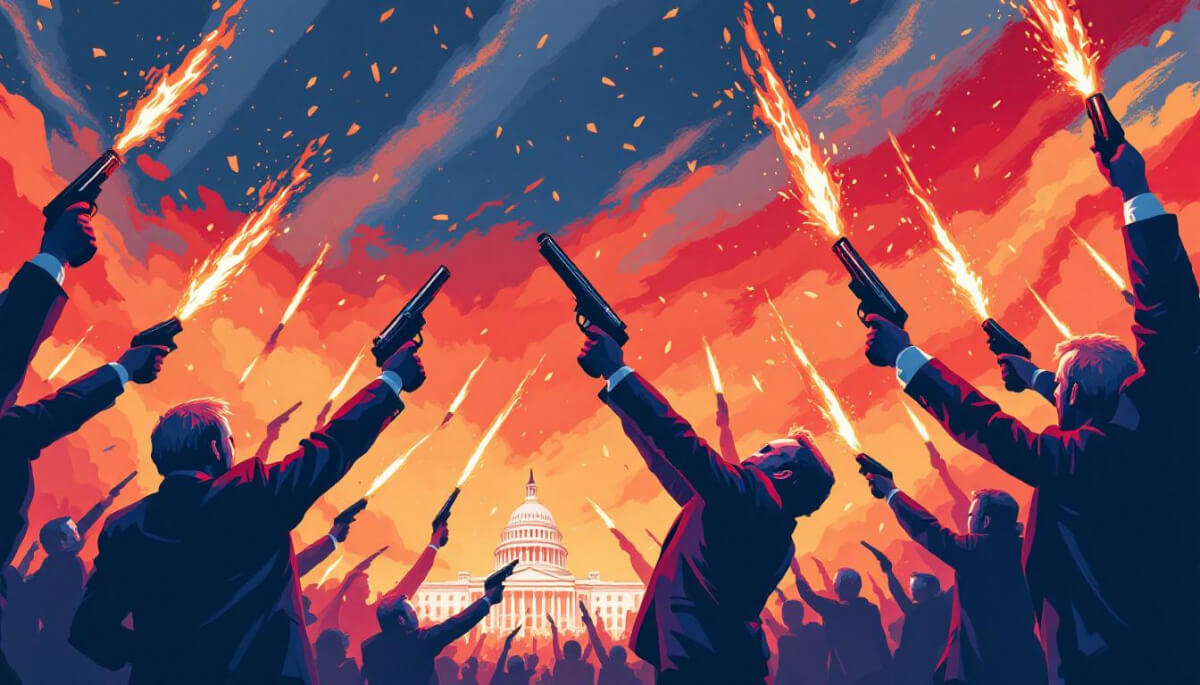
Virginia Democrats are currently facing significant criticism following revelations that several legislators carved out exemptions for themselves from Senate Bill 2 (SB2), a wide-ranging gun control measure they championed and passed "earlier this year." The law, designed to impose tighter restrictions on firearms across the state, has become a focal point of debate regarding legislative accountability and equal application of the law.
"The provision of this section shall not apply to any member of the General Assembly." — Virginia Senate Bill 2 Text
Senate Bill 2 introduces several new regulations, including expanded background checks for firearm purchases, limitations on the ownership of specific semi-automatic rifles, and stricter rules governing the sale and storage of firearms. Proponents of the legislation argue that these measures are crucial steps toward mitigating gun violence within Virginia communities, aiming to enhance public safety by reducing the accessibility of certain weapons and improving oversight of firearm transactions. Conversely, opponents contend that the law infringes upon the Second Amendment rights of law-abiding citizens, imposes undue burdens, and is unlikely to deter criminals who already operate outside legal frameworks.
The most contentious aspect of SB2, however, has proven to be the provisions that explicitly exempt legislators and certain other public officials from some of its requirements. This disparity has ignited a firestorm of criticism, with many constituents expressing outrage over what they perceive as a troubling double standard that erodes faith in elected representatives and the legislative process itself.
Tim O’Brien of PJ Media highlighted the controversy, noting that some legislators "literally exempted themselves from their own gun-control law." This observation has resonated widely, prompting sharp questions from the public about why their elected officials should enjoy privileges not extended to ordinary Virginians, particularly concerning laws intended to regulate citizen behavior.
Republican leaders in Virginia have quickly seized upon these exemptions, presenting them as clear evidence of hypocrisy. A state GOP spokesperson, speaking to Fox News, stated, "The people passing these laws don’t have to follow them. It’s one rule for the lawmakers and another for everyone else, and that’s simply unacceptable in a free society." Such statements have intensified the partisan divide, fueling discussions about accountability, fairness, and the appropriate role of government in regulating individual rights.
Critics further underscore the practical implications of SB2 for the general public. While everyday gun owners in Virginia are now subject to new restrictions and compliance requirements, politicians and their staff appear to be shielded from certain aspects of these very same regulations. Opponents argue that this uneven application undermines the stated goal of the law—improving public safety—and reinforces a perception of political favoritism, where those in power are seen as above the laws they create for others.
In defense of the exemptions, some Democratic legislators have cited security concerns inherent to their public roles and the necessity of performing official duties without unnecessary interference. However, other Democrats involved in the bill's passage have remained silent on the issue, a stance that opponents suggest only amplifies the impression of selective enforcement and a lack of transparency.
Legal experts have weighed in, cautioning that such carve-outs carry significant political risks. They note that when citizens feel that legislators are placing themselves above the very laws they advocate, it can lead to a profound loss of public trust and generate significant backlash. The public reaction has been widespread and vocal, with social media platforms becoming a hub for criticism. Users have highlighted the stark discrepancy between the law’s restrictions on citizens and the protections afforded to lawmakers.
Gun-rights organizations have also capitalized on the story. Patriot Fetch, for instance, reported that these exemptions are seen as undermining confidence in government oversight and could potentially galvanize voters in upcoming elections. Legal analysts further caution that the exemptions could invite future court challenges. Constituents might argue that allowing lawmakers to avoid the law violates fundamental principles of equal protection under the law, potentially prompting judicial review. Such cases, if pursued, could establish important precedents for how carve-outs for public officials are handled in state legislation moving forward.
As the debate continues to unfold, Senate Bill 2 remains a central topic in the broader national conversation surrounding gun rights, government transparency, and legislative accountability. The exemptions granted to lawmakers are likely to persist as a key talking point for both the law's critics and its supporters, underscoring the enduring tension between political authority and the public's demand for fairness and equal treatment.