


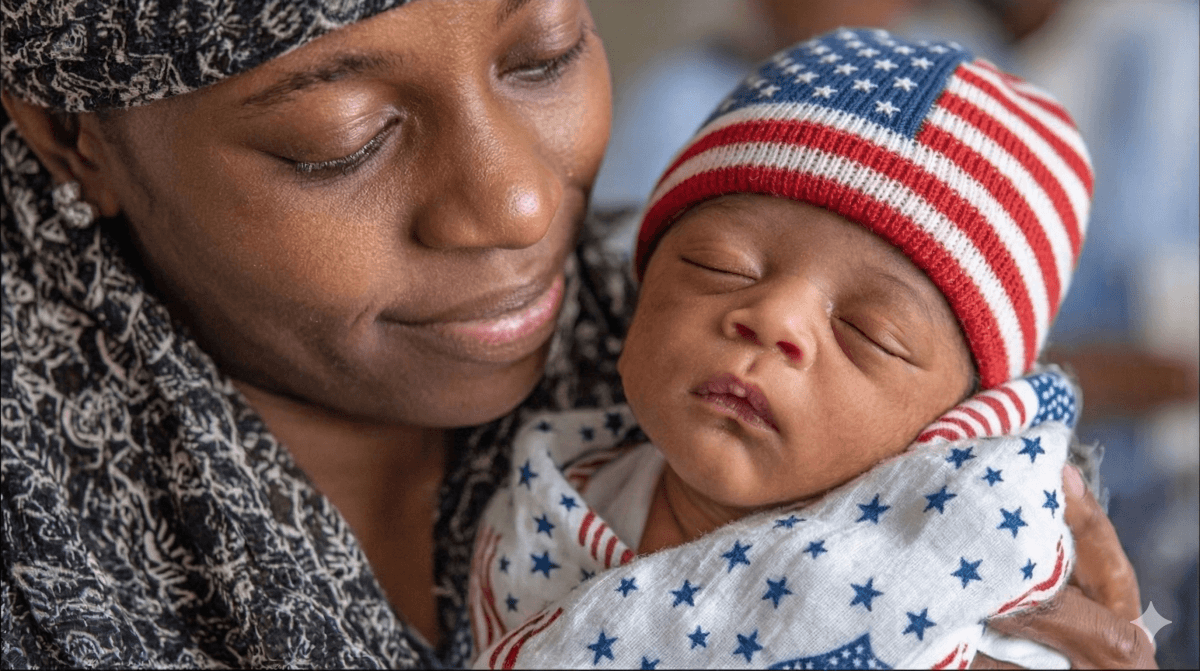
The Trump administration is intensifying a federal enforcement effort aimed at what officials describe as organized "birth tourism" operations, escalating a long-running dispute over immigration enforcement and the meaning of U.S. citizenship under federal law. This nationwide initiative focuses on alleged networks that assist foreign nationals in traveling to the United States on temporary visas while pregnant, with the stated intent of giving birth on American soil. Officials assert these arrangements are primarily designed to secure automatic citizenship for the children, raising significant concerns about visa misuse and coordinated facilitation schemes.
"Uninhibited birth tourism poses a tremendous cost to taxpayers and threatens our national security." — Anna Kelly, White House spokeswoman
Rather than treating these as isolated incidents, federal authorities are specifically targeting what they believe are structured operations. These networks reportedly involve comprehensive services, including travel coordination, housing arrangements, and access to medical services for expectant mothers. According to an internal memo obtained by Reuters, Immigration and Customs Enforcement (ICE) has reportedly instructed its field agents to prioritize investigations into these networks. This directive is part of a broader fraud enforcement strategy being implemented across the agency.
The administration has framed this enforcement push as a core component of its wider effort to tighten immigration compliance under President Donald Trump, who has consistently placed renewed emphasis on regulating both legal and illegal entry pathways into the country. Officials argue that while childbirth itself is a lawful act, the use of temporary visas for purposes not disclosed upon entry can constitute fraud if intent to circumvent immigration laws is established.
White House spokeswoman Anna Kelly, as reported by Newsmax, stated, "Uninhibited birth tourism poses a tremendous cost to taxpayers and threatens our national security." She further highlighted that the United States remains an outlier among developed nations in its practice of granting automatic citizenship to nearly all individuals born within its borders.
Federal law does not explicitly prohibit foreign nationals from giving birth in the United States while holding a tourist visa. However, immigration regulations strictly bar individuals from using such visas primarily for purposes not stated at the time of application. Officials contend that this distinction is central to their enforcement strategy, as cases may hinge on proving the undisclosed intent behind the visa application rather than merely the act of childbirth. The Department of Homeland Security (DHS) has confirmed its awareness of various groups that actively promote travel arrangements for expectant mothers seeking to give birth in the United States. While emphasizing that childbirth itself is fully legal, DHS officials stress that investigations are primarily aimed at identifying possible visa fraud, financial crimes, or organized facilitation efforts that exploit immigration loopholes.
This policy push is also closely tied to broader legal efforts by the administration to challenge traditional interpretations of birthright citizenship under the 14th Amendment of the U.S. Constitution. Administration officials argue that unrestricted citizenship at birth has inadvertently encouraged systemic abuse, fostering what they describe as an informal industry built around securing U.S. citizenship for children of non-citizens. This position has, in turn, sparked significant legal resistance from various advocacy groups and legal scholars. Federal courts have already blocked key elements of related executive actions, signaling that the issue is likely headed toward higher judicial review. The dispute is widely anticipated to reach the Supreme Court, where justices will be tasked with considering whether executive authority can alter long-standing constitutional interpretations that have guided citizenship policy for more than a century.
Supporters of the administration's crackdown frequently point to previous federal prosecutions involving organized "birth house" operations. In these cases, individuals were charged with running coordinated schemes that allegedly catered to foreign nationals specifically seeking to give birth in the United States for citizenship purposes. Officials cite these past prosecutions as tangible evidence that structured networks exist and can be effectively addressed through existing fraud and conspiracy statutes.
Conversely, opponents of the policy argue that aggressive enforcement risks blurring the crucial line between lawful travel and criminal intent. They warn that such investigations could create considerable uncertainty and fear for legitimate visitors entering the country on valid visas, potentially deterring tourism and business travel. Critics further contend that long-standing legal precedent surrounding the 14th Amendment, which has been consistently affirmed by courts, should not be reshaped or undermined through executive enforcement policy. As this complex debate continues to unfold, the new ICE directive clearly signals a more aggressive enforcement posture from the Trump administration. The initiative places the issue of birth tourism at the center of a broader national fight over immigration control, constitutional interpretation, and the limits of executive power.

