


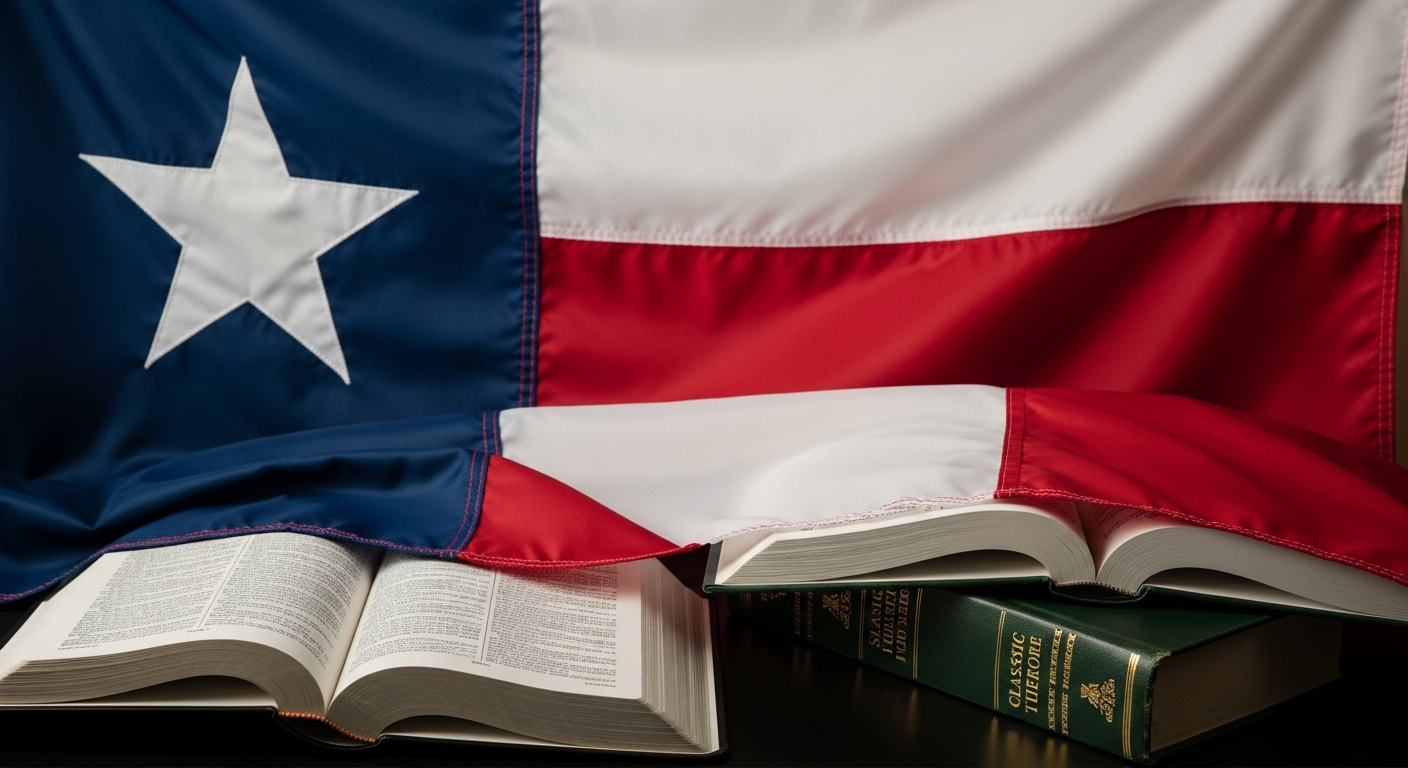
Texas public schools are currently deliberating a proposal that would integrate selected Bible passages into the required reading lists for students from kindergarten through 12th grade. The initiative has ignited a significant debate across the state regarding the appropriate role of religious texts within public education. A final vote on the controversial reading list is anticipated in June, with implementation targeted for the 2030-2031 school year.
The proposed curriculum, if approved, would affect Texas’s 5.4 million students, weaving biblical stories alongside traditional literature staples such as "Red Riding Hood," "Peter Rabbit," and "The Odyssey." Specific examples include third graders studying the Road to Damascus, while high school seniors would delve into selections from the Book of Job. Younger elementary students would explore foundational stories like the Golden Rule and the Parable of the Prodigal Son. Other notable biblical narratives, such as Jonah and the Whale and David and Goliath, are also part of the suggested texts.
Supporters of the curriculum argue that these texts are essential for providing historical and moral context, enriching students’ understanding of Western civilization. They contend that many literary, legal, and civic references in American society are rooted in biblical narratives, and a lack of familiarity with these texts can hinder a student’s comprehensive education. Julie Pickren, a member of the Texas Board of Education, clarified that the proposal is not intended as religious instruction. She stated, "We’re not teaching religion; we’re providing knowledge that enhances cultural and historical literacy." Pickren emphasized that students need to recognize references in classic works and legal texts, citing examples from Dr. Martin Luther King Jr.’s "Letter from a Birmingham Jail" to various historical legal documents.
Proponents further maintain that the Bible is central to understanding the moral and historical foundations of Western society. They point to the success of optional curricula, such as the "Bluebonnet" program, which has previously incorporated biblical lessons for younger students with widespread adoption and school flexibility. Advocates for the mandatory inclusion argue that it ensures all students gain a foundational understanding of references that profoundly influence literature, law, and civic discourse.
However, the proposal has met with strong opposition, primarily centered on constitutional concerns regarding the separation of church and state. Critics worry that requiring the study of religious texts could cross the line from education into proselytization. Rabbi Josh Fixler of Houston voiced this concern, warning that teaching religious texts as mandatory reading could be perceived as promoting a specific faith rather than merely educating students about cultural history.
Opponents also raise questions about the practicalities and diversity aspects of the proposed curriculum. They note a perceived lack of diversity among the authors represented in the list and express skepticism about whether educators can realistically cover such an extensive list of texts within a single academic year, especially given existing curriculum demands.
In response to some of these concerns, Republican board members have proposed amendments. These include potentially reducing the overall number of required readings while ensuring that Bible passages remain part of the core curriculum. They have also suggested allowing greater flexibility for teachers to supplement the list with additional texts, aiming to foster a more balanced and comprehensive educational experience.
Texas has a recent history of integrating elements related to religion into its public schools. In 2023, the state authorized the presence of school chaplains. The following year, districts were mandated to display the Ten Commandments in classrooms, a measure that subsequently faced several legal challenges from advocacy groups arguing it violated constitutional principles. State leaders have consistently argued that such measures reflect Texas’s cultural heritage and acknowledge the historical role of Christianity in shaping the nation.
As the final vote approaches, lawmakers, educators, and advocacy groups across Texas and beyond are closely monitoring the situation. The decision by the Texas Board of Education could have far-reaching implications, influencing broader debates on constitutional interpretation, the scope of historical literacy, and education policy not only within Texas but potentially nationwide.

