


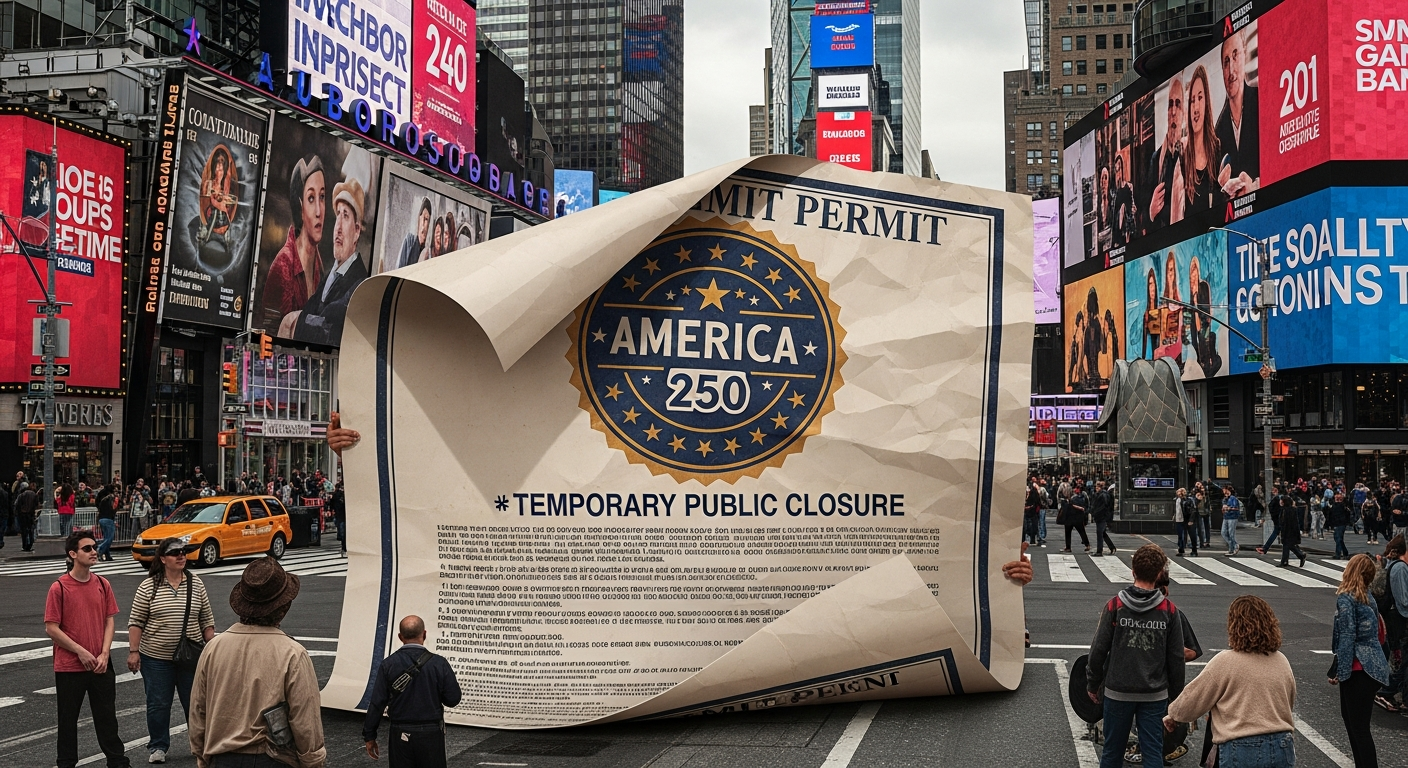
New York City's highly anticipated America 250 celebration, scheduled for July 3 in Times Square, will not include a live public audience in the plazas, organizers confirmed. The decision has drawn immediate backlash, particularly given expectations for a large public gathering to mark the nation's 250th anniversary. While the iconic ball drop at One Times Square will still take place and be broadcast live, the absence of a crowd fundamentally alters the nature of the patriotic event.
"the city is still '6,000 cops short of peak staffing,' while hundreds more officers continue leaving the force every month." — Patrick Hendry, President, NYPD Police Benevolent Association
America250 and One Times Square issued a joint statement confirming, "there will not be a public event in the Times Square plazas." This means a centerpiece celebration of America’s 250th birthday, envisioned as a vibrant public spectacle, will unfold without the thousands of attendees typically associated with major Times Square events. The abrupt change has led to questions regarding the rationale behind excluding New Yorkers from a significant civic occasion.
The restrictions appear to stem from an emergency order issued by the city, linked to the upcoming FIFA World Cup, which New York City is co-hosting this summer. The city’s Parks Department, acting at the request of the New York Police Department (NYPD), adopted a rule blocking new permits for special events on park property during a specific window from June 11 through July 19. This period directly overlaps with the July 3 celebration, preventing organizers from securing the necessary permits for a normal public gathering.
The New York Post reported that it remains uncertain whether these approvals will ultimately be granted. Sources familiar with the situation informed the outlet that the America 250 event could be among several celebrations denied permits under the city’s current policy framework. City Hall did not respond to multiple requests for comment from The Post regarding the matter, and the NYPD redirected all inquiries to the mayor’s office, avoiding direct answers.
Critics contend that the city's policy reflects deeper systemic issues within municipal government, particularly concerning public safety and resource management. Rather than addressing potential manpower shortages, they argue, city officials are opting to restrict public events. The NYPD’s Police Benevolent Association (PBA) has been particularly vocal in its criticism. Union president Patrick Hendry stated that the city is "6,000 cops short of peak staffing," with hundreds more officers continuing to leave the force each month. Hendry warned that officers are already experiencing burnout, and the increased summer workload would exacerbate the existing staffing crisis. He suggested that the city is limiting events because it lacks the capacity to adequately police them, a sentiment echoed by Trending Politics.
This criticism has escalated the political ramifications for Mayor Zohran Mamdani. What was intended to be a major patriotic public celebration has now become a focal point for debates over city management, public safety priorities, and the allocation of resources.
Rosie Rios, chair of America250, had previously outlined plans for a flashy spectacle. The famous Times Square ball was slated to be lit in red, white, and blue, followed by 2,000 pounds of patriotic confetti during a broadcast titled “America Turns 250.” Such an elaborate setup appeared designed to engage a massive live audience. Without a public crowd, concerns have been raised that the event might feel controlled and somewhat hollow, rather than embodying a truly national and memorable celebration.
As the nation prepares to mark a historic milestone, many New Yorkers are now facing the prospect of watching this significant local celebration from home. For various critics, this outcome is not merely disappointing but represents a potential political embarrassment for the city administration. The situation underscores ongoing tensions between civic aspirations, public safety concerns, and the practical challenges of managing large-scale events in a densely populated urban environment.

