


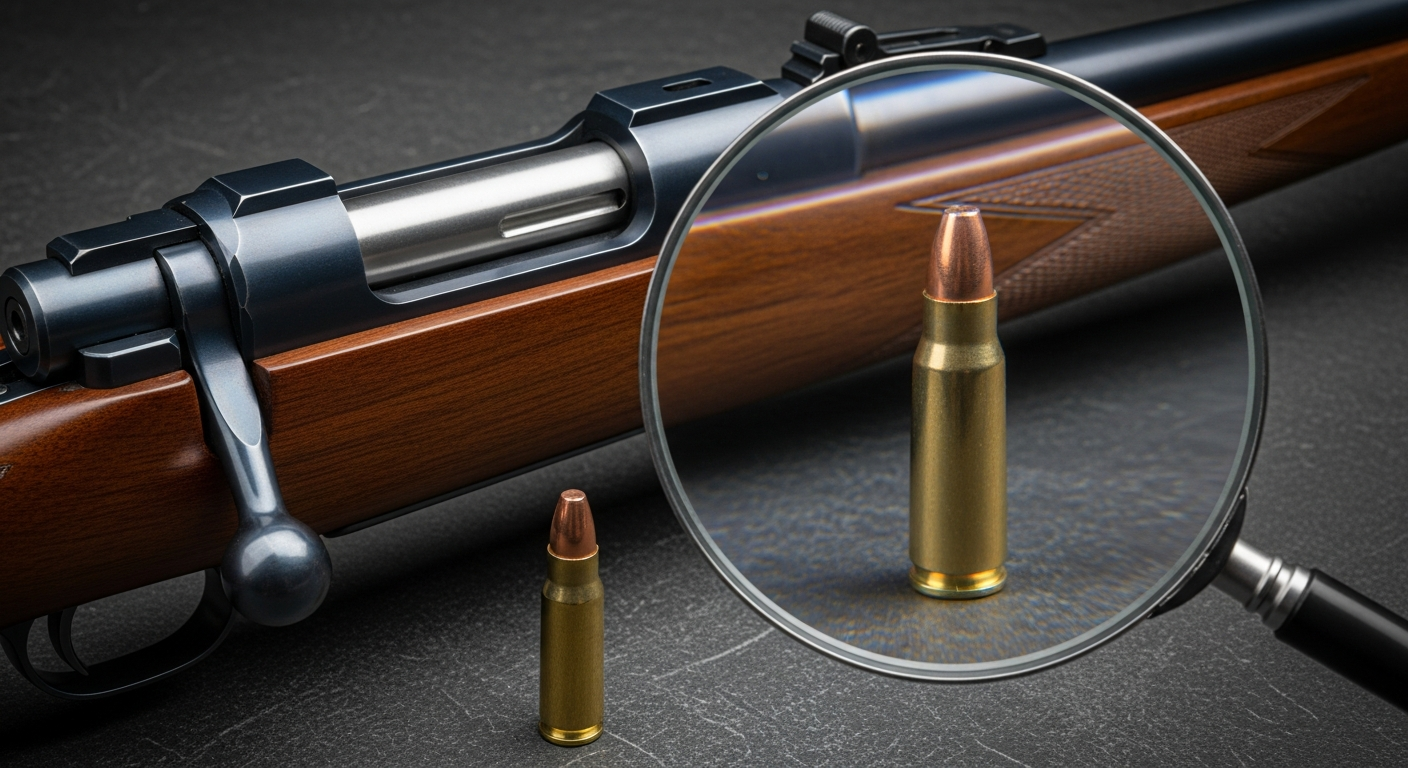
A key piece of forensic analysis in the assassination case of conservative activist Charlie Kirk is drawing scrutiny, as defense attorneys for the accused, Tyler Robinson, have raised concerns about ballistic evidence. According to recent court filings, the defense is arguing that the bullet recovered from the scene of Kirk's killing does not match the rifle that prosecutors contend was used in the attack.
This development centers on the critical role of ballistic evidence in criminal investigations, particularly in homicide cases. Ballistic analysis typically involves examining unique markings left on a bullet by a firearm's barrel, which can link a specific weapon to a projectile. The defense's assertion of a "mismatch" between the physical evidence and the weapon tied to Robinson, if substantiated, could significantly weaken the prosecution's case. Without a direct ballistic link, prosecutors might need to rely more heavily on circumstantial evidence or other forms of proof to establish guilt.
Charlie Kirk, a prominent conservative activist, was fatally shot in September 2025 while speaking at Utah Valley University. His assassination sent shockwaves through conservative political circles and garnered national attention due to his significant influence and public visibility. Tyler Robinson was arrested shortly after the incident and subsequently charged with multiple offenses, including aggravated murder and felony discharge of a firearm. Prosecutors have consistently maintained that the evidence supports their case, though they have not yet publicly responded in detail to the specific ballistic claim put forth by the defense.
The claim quickly gained traction online, with various commentators and political figures weighing in. Marjorie Taylor Greene, a prominent political figure, shared reports of the alleged discrepancy, while numerous media personalities and commentators amplified the argument that the case could face serious challenges if the forensic evidence does not align. Some observers described the issue as a fundamental flaw, suggesting that a mismatch between the bullet and the alleged weapon raises profound questions about the reliability of the prosecution’s narrative. Others urged caution, emphasizing that defense claims are an integral part of the legal process and must be thoroughly tested in court before any definitive conclusions can be drawn.
Adding to the layers of speculation, the case has been linked to unrelated developments, such as the recent resignation of Washington County Sheriff Keith Brooksby. Brooksby, who had decades of experience in law enforcement, stepped down from his position, prompting online theories about a potential connection to the Kirk investigation. However, there has been no confirmed evidence presented that directly links his resignation to the ongoing murder case.
At this juncture, the alleged discrepancy remains an argument presented by the defense and is not a confirmed conclusion. Ballistic analysis is a complex scientific discipline, and disagreements between expert witnesses are not uncommon, especially in high-profile cases that attract intense public scrutiny. The legal process is designed to address such disputes, and this issue will likely be a central point of contention in court. Both the prosecution and defense will have the opportunity to present expert testimony, cross-examine witnesses, and challenge each other’s findings. This judicial process will ultimately determine whether the alleged mismatch represents a critical flaw in the prosecution's evidence or if it can be explained or resolved through further forensic examination and legal arguments. The rapid online reaction to these legal arguments underscores how quickly court filings can evolve into broader public narratives, particularly in cases with significant political or cultural ramifications, often before the claims have been fully examined and adjudicated.

