

⚡ BREAKING NEWS
Sponsor Advertisement
Costco's New Churro Sundae Sparks Mixed Customer Reactions
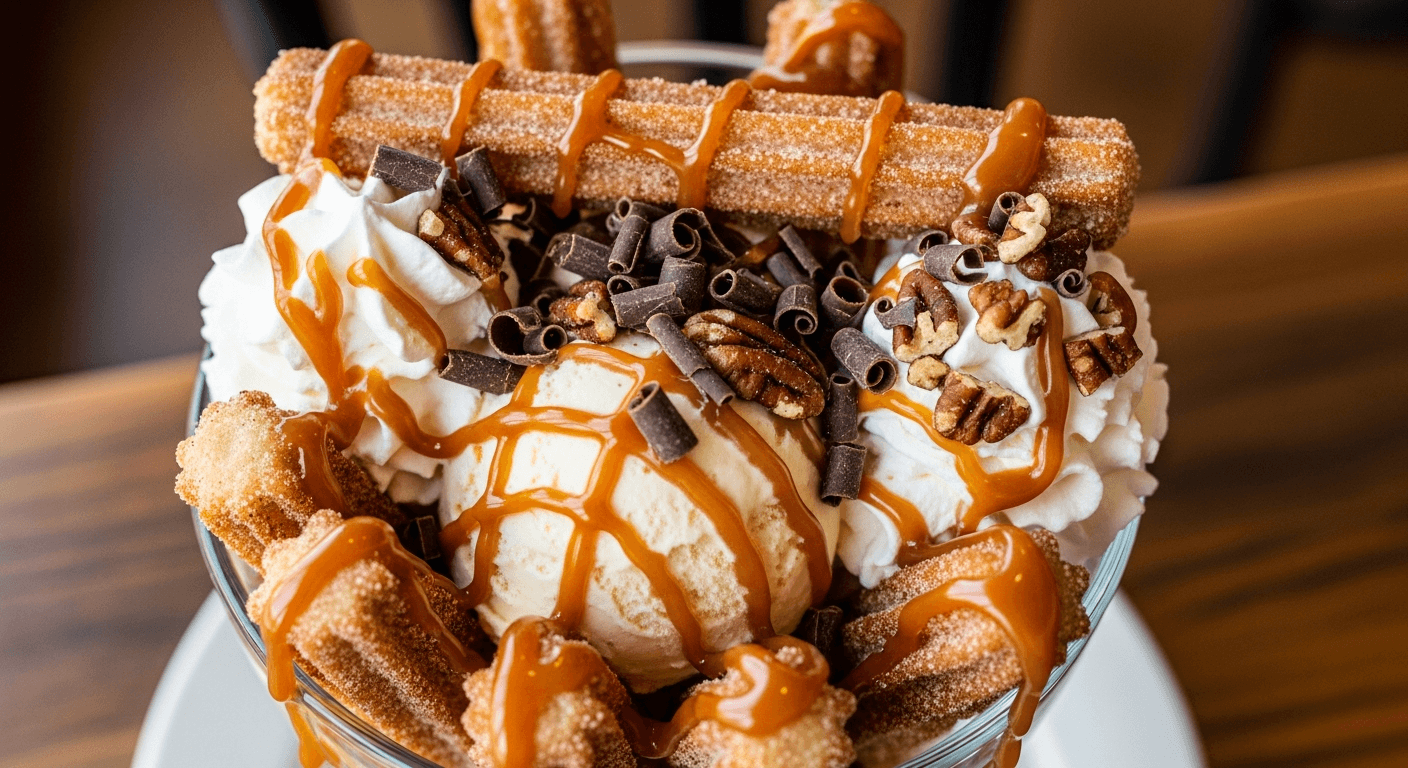
A rendition of what the expectations were that were not quite met.

Costco's New Churro Sundae Sparks Mixed Customer Reactions

Costco has reintroduced a beloved food court item, the churro, but in a new sundae form. This Caramel Churro Sundae, priced at $2.99, has sparked strong customer reactions, with many fans expressing disappointment over the absence of the traditional full-size churro.

Costco Wholesale Corporation, the Washington-based warehouse retailer, has introduced a new Caramel Churro Sundae to its food court menu, priced at $2.99. The new offering arrives after years of customer demand for the return of its iconic churros, which were discontinued in early 2024. However, the updated version, featuring mini churro bites rather than the full-sized fried dough pastry, has elicited sharply divided responses from loyal shoppers.

The Caramel Churro Sundae consists of a choice of vanilla, chocolate, or swirl soft-serve ice cream, drizzled with salted caramel sauce and topped with crunchy mini churro bites. This marks a significant departure from Costco's original churros, which first appeared in the chain's food courts in the 1990s. These traditional fried dough pastries, typically rolled in cinnamon sugar, quickly became a staple for many customers, initially priced at 99 cents before being reformulated and repriced prior to their discontinuation.

The reintroduction of a churro-themed item was met with immediate online discussion. Laura Jayne Lamb, who manages the popular Instagram account @costcohotfinds, posted a video of the new dessert, captioning it, “The Costco food court did it again!” This post quickly became a focal point for customer reactions, highlighting the strong emotional connection many shoppers have with the food court's menu items.

The sentiment among many long-time fans leans towards disappointment. A comment on Lamb’s Instagram post, accumulating nearly 5,000 likes, directly captured the frustration: “We don’t want bits of churros. We want the whole churros back!” Similar reactions were observed on Reddit’s dedicated Costco forum, where a top comment responding to the new item stated plainly: “Bring back the churros!” One Reddit user described the new offering as “such a slap in the face to give us ‘churro bites’ and no churros,” indicating a feeling of betrayal among some patrons. Another commenter underscored the generational impact, writing, “One of my kids is 6 and every few months he just yells, ‘Why did they get rid of the churros!?’ It was like his first great betrayal of life.”

Beyond the form factor, the new sundae's pricing and nutritional information have also drawn scrutiny. At $2.99, the Caramel Churro Sundae costs nearly double the $1.50 price of the former churro and triple the original 99-cent version. A humorous customer comment highlighted this price gap and the desire for the original: “Can I get a Caramel Churro Sundae, no caramel, no sundae, original recipe.… Thank you, here’s one dollar!” Calorie counts also became a point of contention, with one commenter writing, “850 calories. I’m sure it’s tasty, but it’s also self harm.” Another added, “If they didn’t show calories on the menu, I would get these all the time.”

Despite the criticism, not all reactions have been negative. Some customers expressed enthusiasm for the new dessert, with comments like “That looks fire!” and “OK, I need to try this IMMEDIATELY” appearing on social media. This indicates a segment of the customer base open to new menu innovations.

The Caramel Churro Sundae follows the recent appearance of Costco’s Double Chocolate Mint Sundae in the food court rotation. Costco is known for cycling its sundae offerings seasonally, and it remains unclear how long the Caramel Churro Sundae will be available or if its availability will vary by location. This rollout also occurs amid a notable rivalry in the warehouse retail sector. In February, Sam’s Club Café launched its own limited-time Caramel Palmier Sundae, featuring vanilla frozen yogurt, caramel sauce, and crunchy cinnamon palmiers for $1.58, less than half the price of Costco’s new churro creation.

Costco has faced similar customer debates in recent years. The company previously drew scrutiny when it replaced its original churros with a $2.49 double chocolate chunk cookie, a swap that also sparked considerable customer discussion. The introduction of the Caramel Churro Sundae continues this pattern of menu evolution and customer response, balancing innovation with the strong nostalgia and loyalty tied to its long-standing food court items.

Advertisement

The Flipside: Different Perspectives

Progressive View

From a progressive viewpoint, the introduction of the Caramel Churro Sundae raises questions about corporate responsibility, consumer well-being, and accessibility to affordable treats. While innovation is welcome, the public's strong emotional attachment to the original churro highlights the role of accessible, affordable pleasures in daily life, which can be particularly significant for lower-income individuals. The significant price increase from 99 cents to $2.99, especially for a redesigned product that many find less appealing, could be seen as alienating a segment of the customer base that valued the original's affordability.

Furthermore, the high calorie count of 850 for the new sundae, as noted by customer comments, brings public health considerations into focus. While individual choice is paramount, corporations have a role in promoting collective well-being by offering a range of options, including those that are more health-conscious or transparently labeled. The feeling of "betrayal" expressed by some customers, including children, underscores that corporate decisions can have a broader impact on community sentiment and loyalty, not just profit margins. Companies should strive to balance innovation with maintaining beloved, accessible options that contribute positively to the overall consumer experience and health.

Conservative View

From a conservative perspective, Costco's decision to introduce the Caramel Churro Sundae, and its pricing, exemplifies the principles of free markets and corporate autonomy. A private business like Costco has the inherent right to innovate its product offerings, adjust pricing based on operational costs, and respond to consumer demand in ways it deems most efficient and profitable. The market dictates what succeeds; if consumers truly desire the traditional churro, their collective purchasing decisions will ultimately signal this to Costco or create an opportunity for a competitor to fill that void.

The varied customer reactions demonstrate consumer choice in action. Individuals are free to purchase the new sundae, or to refrain from doing so if it doesn't meet their preferences or budget. The price difference between the new $2.99 sundae and the original 99-cent churro reflects current economic realities, including inflation, ingredient costs, and labor expenses, which businesses must account for to remain viable. Expecting a company to maintain decades-old pricing or product formats without adapting to market conditions would contradict the dynamic nature of a free economy. Ultimately, Costco's management is responsible to its shareholders to make sound business decisions, and menu changes are a part of that process.

Common Ground

Both conservative and progressive viewpoints can find common ground in recognizing the importance of consumer satisfaction and the need for businesses to be responsive to their customer base. Regardless of one's economic philosophy, a thriving business ultimately depends on meeting customer needs and expectations. There is shared agreement that competitive markets, as evidenced by the rivalry with Sam's Club, can drive innovation and potentially offer consumers more choices and better value.

Furthermore, both perspectives can appreciate the value of transparency from corporations regarding product changes, pricing, and nutritional information. While conservatives emphasize a business's right to operate freely, and progressives focus on consumer protection, both benefit from clear communication. Finding a balance between corporate innovation and preserving elements that foster customer loyalty is a shared challenge. Businesses that listen to and thoughtfully consider customer feedback, even while making necessary changes, often build stronger, more sustainable relationships with their patrons, benefiting both the company and the consumer.