
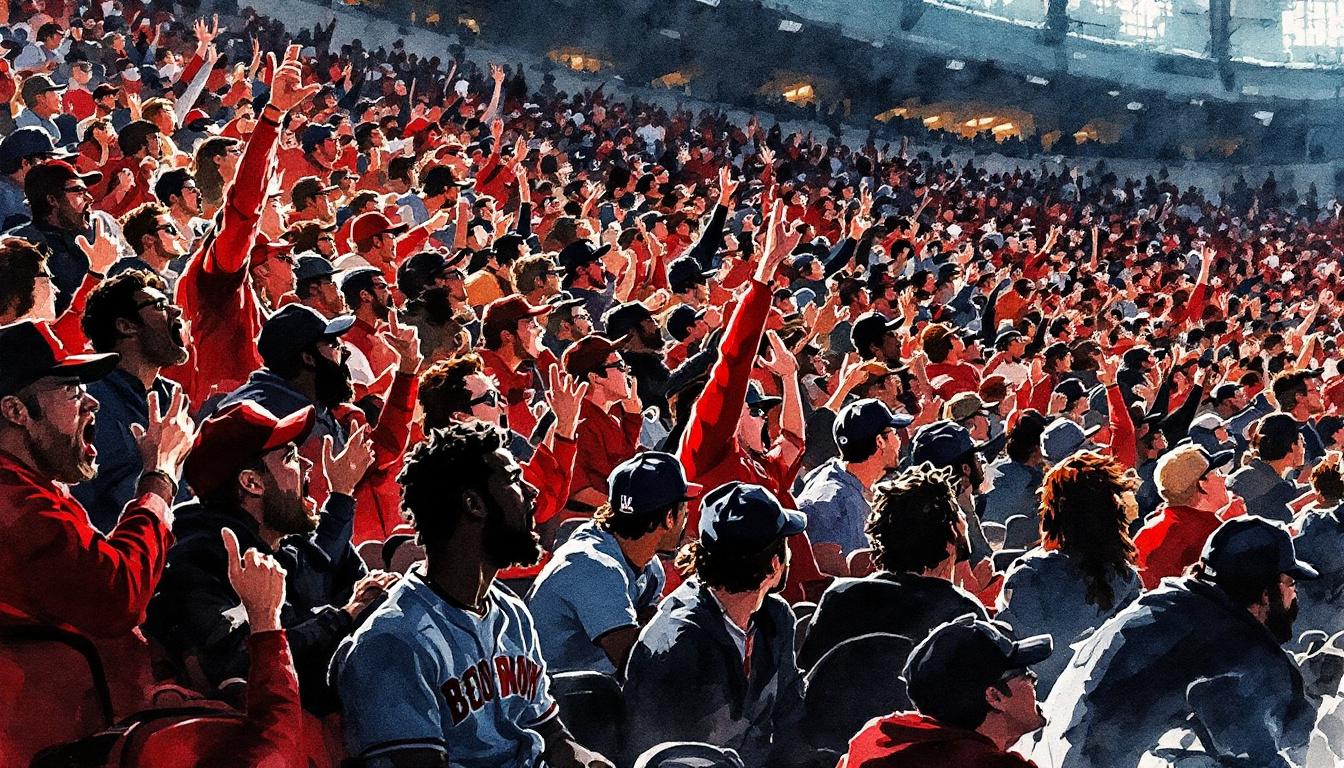
Massachusetts Governor Maura Healey and Boston Mayor Michelle Wu, both prominent Democrats, were met with sustained boos from tens of thousands of fans during the Boston Red Sox home opener at Fenway Park. The incident, which occurred on April 3, 2026, before the Red Sox faced the San Diego Padres, quickly gained traction online, transforming a routine pregame appearance into a widely discussed political moment.
The public reaction unfolded amidst ongoing criticism directed at both leaders, particularly concerning their stances on immigration enforcement. Videos of the event circulated rapidly across social media platforms, drawing immediate commentary from political figures and observers across the state and beyond.
Governor Healey has recently faced scrutiny over her position on immigration policy. This includes a public demand that private airline companies cease cooperating with federal deportation efforts. Her stance emerged following controversy surrounding an ICE-related shooting in Minneapolis, an event that has contributed to a broader national debate on immigration policy and the division of responsibilities between federal and state authorities.
Mayor Wu has also been a frequent subject of criticism, primarily for her opposition to federal immigration enforcement actions within Boston. Earlier this year, Mayor Wu publicly accused federal agents of conducting what she described as unconstitutional operations in the city. She subsequently advocated for the public release of surveillance and body camera footage connected to those federal efforts, asserting a need for transparency and accountability.
The positions taken by both Governor Healey and Mayor Wu have made them polarizing figures, especially among segments of the electorate who advocate for stricter immigration enforcement and greater cooperation with federal agencies. The crowd's response at Fenway Park appeared to reflect this division, injecting a clear political sentiment into an event typically considered non-political and focused on community celebration.
Beyond immigration, Governor Healey’s administration has faced other controversies. Last year, one of her aides was arrested on charges related to cocaine trafficking after authorities intercepted packages allegedly destined for a state office building. While the New York Post reported that the incident did not directly involve Governor Healey, it added to the overall scrutiny of her leadership and administration’s operational integrity.
Public reactions at large sporting events have increasingly become venues for expressing political sentiment. Such gatherings provide a substantial and often unfiltered audience, and moments captured on video can quickly achieve national attention. In this instance, the boos directed at Governor Healey and Mayor Wu were sustained and unmistakable, indicating a significant negative reaction from a considerable portion of the more than 36,000 attendees.
For Republican candidates in Massachusetts, the incident presented an immediate political opportunity. Several GOP gubernatorial candidates, including Brian Shortsleeve, Mike Minogue, and Mike Kennealy, promptly utilized footage of the event. Brian Shortsleeve, who posted from the stadium, specifically highlighted the crowd’s reaction, describing the boos as even louder in person. Other candidates echoed this sentiment, framing the moment as indicative of broader voter frustration with current leadership and state policies. The swift deployment of this footage by multiple campaigns underscores how quickly such public incidents can be integrated into political messaging and campaign strategies.
For Democrats, the event highlights the complexities of navigating contentious issues such as immigration in a politically divided landscape. Even routine public appearances by elected officials can swiftly evolve into political statements, particularly when occurring before large, engaged crowds where public sentiment can be openly expressed. The incident at Fenway Park serves as a reminder of the challenges faced by leaders whose policies on sensitive topics may elicit strong public reactions.
Whether the reaction observed at Fenway Park reflects a broad shift in voter sentiment across Massachusetts or represents a more localized response from a specific segment of the population remains a subject of ongoing discussion and analysis among political strategists and commentators. The incident underscores the dynamic interplay between local politics, national debates, and public opinion in contemporary American society.