
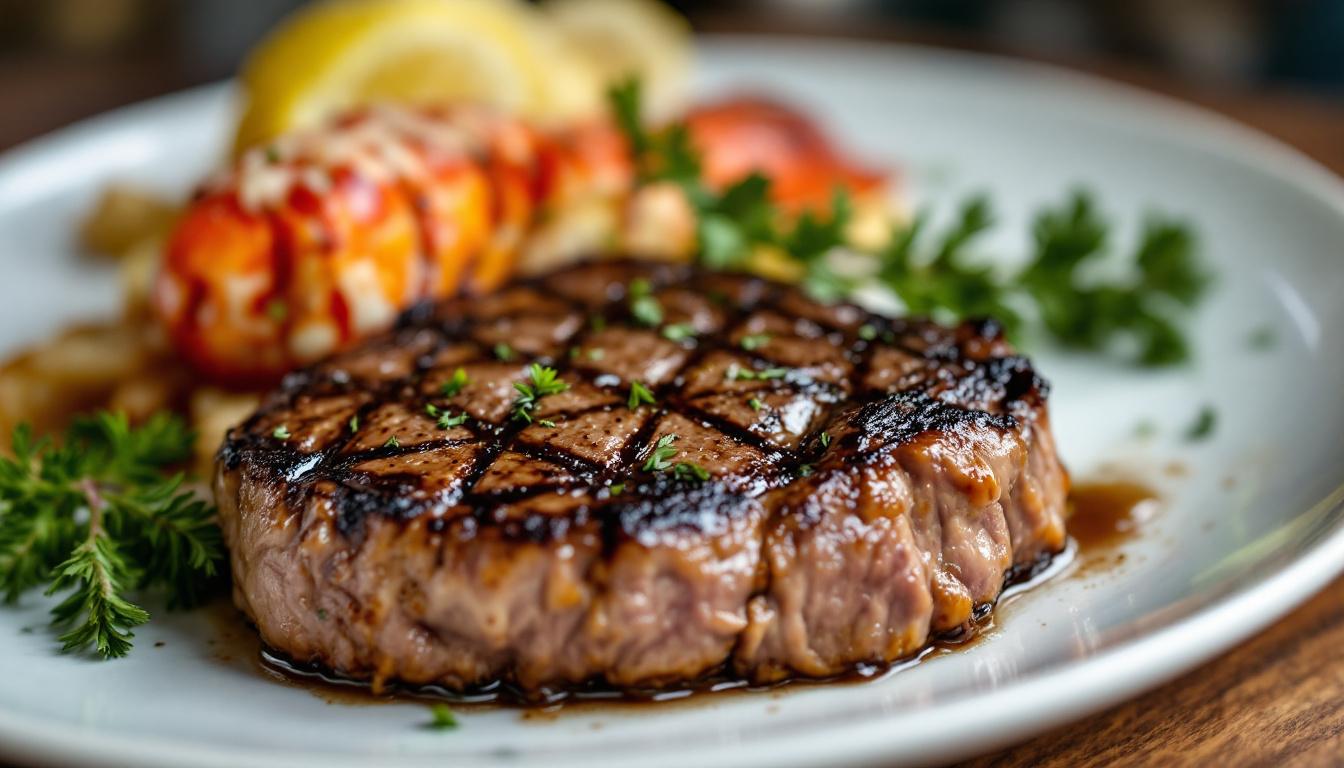
A recent report detailing significant expenditures by the United States Department of War on premium food items, including steak and lobster, during the final month of the 2025 fiscal year, has triggered a widespread debate across media platforms and social networks. The spending, which some outlets characterized as excessive, was swiftly defended by a chorus of social media users, military veterans, and Republican lawmakers who asserted it aligns with a deeply rooted tradition of boosting troop morale, particularly for deployed service members.
"Feeding Steak and Lobster is the least thing we can do for our troops being deployed. Making it an issue shows you how little the leftist media thinks of our fine men and women who serve our nation." — Big Fish, X User
The controversy originated from an analysis by the government watchdog Open the Books, which highlighted the Department of War's substantial spending in September 2025. According to the report, the department, led by Secretary Pete Hegseth, expended over $93 billion on grants and contracts during that month alone. Nearly half of this considerable sum was spent within the final five business days of the fiscal year. Among the specific purchases itemized were approximately $6.9 million on lobster tail, $2 million on Alaskan king crab, $15.1 million on ribeye steak, and about $1 million on salmon. The data also listed other less significant purchases, such as ice cream machines and doughnut orders.
Several media outlets, including Mediaite, The Daily Beast, and TMZ, seized upon these figures, framing the food purchases as evidence of a lavish, end-of-year spending spree. Their reports typically emphasized the high-value food items, implying a potential misuse of taxpayer funds or a lack of fiscal prudence within the military's budgeting practices. This initial media narrative quickly permeated public discourse, leading to questions about government accountability and spending priorities.
However, the narrative began to shift as analysts and commentators pointed to a long-standing federal budgeting practice known as "use-it-or-lose-it." This rule often encourages government departments to exhaust their allocated funding before the fiscal year concludes, typically by September 30th, to avoid having their future budgets reduced. This practice, while common, frequently leads to an acceleration of spending in the final weeks of the fiscal year, often on items or services that might otherwise have been deferred.
Online reaction, particularly on the social media platform X, quickly pivoted from critiquing the spending totals to defending the welfare and morale of military personnel. Numerous X users argued that providing steak or seafood to deployed service members is a cherished and necessary tradition. One user articulated this sentiment, writing, "Feeding steak and lobster is the least thing we can do for our troops being deployed. Making it an issue shows you how little the leftist media thinks of our fine men and women who serve our nation." Another commenter highlighted the relatively modest pay received by many service members, asking, "Can people please stop getting mad that every once in a while the people making 30k a year get a nice meal before being notified they’re spending an extra 3-6 months away from their children?"
The popular X account "I Meme Therefore I Am" also weighed in, criticizing what it perceived as a biased media narrative. The account posted, "Leftists losing their minds over Pete Hegseth’s Pentagon dropping millions on steak, lobster, and fruit baskets for troops. I’ll take surf & turf for the warriors guarding my freedom over luxury suites for border-jumpers any day."
Republican lawmakers also joined the chorus of pushback. Representative Pat Fallon (R-TX) publicly defended the practice, describing it as a tradition that has long been observed during deployments. "Democrats have lost the plot so badly due to their TDS that they’re now mad that we serve (as tradition) our troops steak and lobster on deployment," Fallon wrote on X. Conservative commentator Catturd likewise expressed support, stating, "Big shoutout to @PeteHegseth for feeding our brave heroes in the military the good stuff. If anyone deserves steak and lobster, it’s them."
Veterans, drawing from their own experiences, provided further context and historical perspective. One former service member recounted, "Yes, when I was in the submarine force on Sundays underway we had surf & turf. Once a week we got to have a somewhat nicer meal as a reward for spending years of our lives underwater." Another individual, identifying as a 25-year Army veteran, dismissed the media coverage as sensationalist, noting, "For every steak meal there are weeks of MREs. This has been part of feeding troops forever. Trying to frame this as profligate activity is utter nonsense."
The evolving debate underscores how routine governmental practices, especially those involving military spending, can rapidly become political flashpoints. The initial reporting focused on the financial figures, while subsequent reactions emphasized the human element of military service and the historical context of troop welfare. The differing interpretations highlight the challenges in communicating complex budget processes and military traditions to a broad public, often filtered through diverse media narratives and partisan lenses.